
Trend summary
- Tuberculosis is falling, but slowly. WHO estimates India’s TB incidence at 187 per 100,000 people in 2024, down 21% from 237 in 2015. India still diagnosed 2.62 million (26.18 lakh) people with TB in 2024.
- Malaria has dropped sharply. Recorded cases fell from 1.17 million in 2015 to 255,500 in 2024, and deaths from 384 to 86.
- Dengue swings from year to year. Official counts show 289,235 cases in 2023, 233,519 in 2024 and 121,824 in 2025. Deaths are low, but the counts only cover reported cases.
- Spillover viruses keep coming back. Kerala has had nine Nipah outbreaks since 2018, and West Bengal confirmed two cases in January 2026. Drug resistance is now a national plan of its own (NAP-AMR 2.0, 2025–29).
What the numbers show
Tuberculosis is still India’s biggest infectious killer. According to the WHO Global TB Report 2025, as summarised by the Health Ministry, TB incidence fell from 237 to 187 per 100,000 people between 2015 and 2024, a 21% drop against 12% globally. TB deaths fell from 28 to 21 per 100,000. India diagnosed 2.62 million (26.18 lakh) people in 2024 out of an estimated 2.7 million, and the estimated number of “missing” cases fell from about 1.5 million in 2015 to under 100,000 (source). That is well short of the national goal of an 80% cut in incidence by 2025 compared with 2015 (PIB).
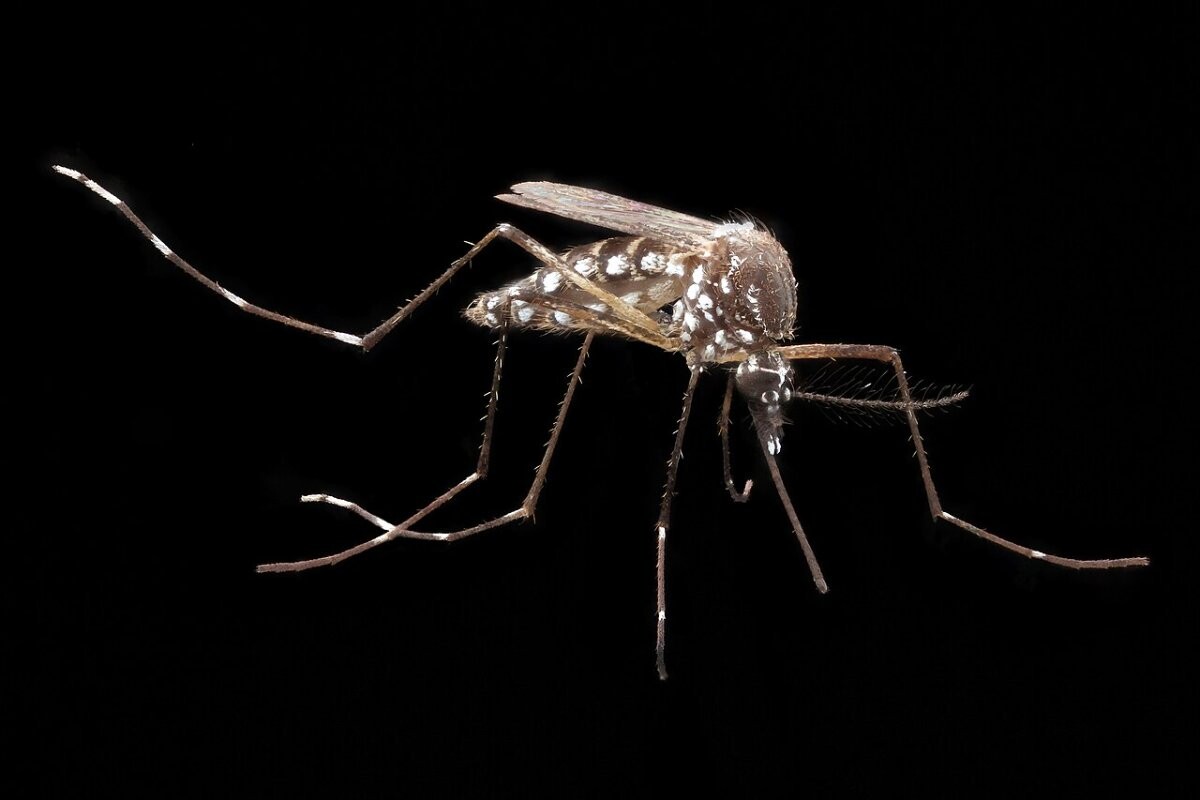
Mosquito-borne disease tells two stories. Malaria fell from 1,169,261 cases and 384 deaths in 2015 (NCVBDC) to 255,500 cases and 86 deaths in 2024, and 233,917 cases and 76 deaths in 2025 (NCVBDC). Dengue has not followed that path: the national programme recorded 193,245 cases in 2021, 289,235 in 2023, 233,519 in 2024 and 121,824 in 2025, with 131 deaths last year (NCVBDC).
Respiratory viruses come in waves. The 2009 H1N1 pandemic brought 27,236 confirmed cases and 981 deaths in India that year, then 20,604 cases and 1,763 deaths in 2010; a fresh surge in early 2015 recorded 14,673 cases and 841 deaths in under eight weeks (source). India passed 2 billion (200 crore) COVID-19 vaccine doses on 17 July 2022, 18 months after the drive began on 16 January 2021 (source).
What is driving it
Much of the recent TB effort goes into finding cases earlier. Since a 100-day screening campaign began on 7 December 2024, over 200 million (20 crore) people have been screened and over 2.8 million (28 lakh) TB patients diagnosed, about 900,000 of them with no symptoms (source). Patients also get ₹1,000 a month for food, and over 15,000 people with drug-resistant TB have started the shorter BPaLM regimen. For malaria, 160 districts reported zero cases in 2022–24, and testing for dengue now runs through 869 sentinel hospitals, up from 110 in 2007 (source, source).
The risks that remain are harder to control. Nipah spills over from fruit bats, and most of Kerala’s outbreaks have been in Kozhikode and Malappuram districts (WHO). Measles returned in 2022, with 3,075 infections and 13 deaths in Maharashtra by 12 December (PIB). Antibiotic misuse drives resistance; Kerala and Gujarat were the first states to ban over-the-counter antibiotic sales, and the second national AMR plan was launched in November 2025 (source).
Recent cases
- 13 October 2026: A government update put cumulative TB screening at over 281 million (28.1 crore) people and said 46,118 village councils had been certified TB-free; treatment coverage stood at 92% (PIB).
- 25 August 2026: The Health Ministry said it was tracking seasonal influenza through 73 virus labs, with an H1N1 lineage (subclade D.3.1.1) circulating in India since 2025 (PIB).
- 25 June 2026: WHO reported one confirmed Nipah case in Kozhikode, Kerala, confirmed on 11 June; 104 contacts were being monitored and no further cases had been found (WHO).
Press releases and official reports, 2023–2026
Five key releases a year for the last four years, newest first. Most come from Government of India ministries through the Press Information Bureau (PIB), national agencies such as NCRB, the Reserve Bank of India and the National Center for Seismology, and state governments; a few news reports and data analyses are included where they are the clearest public record of an event. Releases from 2007–2022 are in the expandable list after 2023.
2026
- 13 Oct 2026Press Information BureauTowards a TB-Free India
- 25 Aug 2026Ministry of Health and Family WelfareGovernment Closely Monitoring Seasonal Influenza Trends Across the Country
- 25 Jun 2026World Health OrganizationNipah virus disease – India
- 24 Mar 2026Press Information BureauIndia Speeding Towards TB Elimination
- 27 Jan 2026Ministry of Health and Family WelfareOnly Two Nipah Virus Disease Cases Reported in West Bengal Since Last December: NCDC
2025
- 18 Nov 2025Ministry of Health and Family WelfareUnion Health Minister Shri J P Nadda Launches National Action Plan on Antimicrobial Resistance 2.0
- 12 Nov 2025Ministry of Health and Family WelfareTB incidence in India drops by 21% from 237 per lakh population in 2015 to 187 per lakh population in 2024
- 11 Sep 2025Ministry of Health and Family WelfareUnion Health Minister Shri J P Nadda reviews current situation of Dengue and Malaria with a view to galvanise preventive activities being undertaken by States
- 6 Aug 2025World Health OrganizationNipah virus infection – India
- 24 Mar 2025Ministry of Health and Family WelfareWorld Tuberculosis (TB) Day – 2025
2024
- 6 Dec 2024Ministry of Health and Family WelfareIndia's 100-Day TB Elimination Campaign
- 5 Nov 2024Ministry of Health and Family WelfareTowards a TB-Free India: Achievements, Challenges and the Way Forward
- 9 Sep 2024Ministry of Health and Family WelfarePresence of Mpox virus of West African clade 2 confirmed in Isolated Patient
- 23 Aug 2024World Health OrganizationAcute encephalitis syndrome due to Chandipura virus – India
- 21 Jul 2024Ministry of Health and Family WelfareA Nipah virus patient in Mallapuram district of Kerala, confirmed by NIV, Pune succumbs to the disease
2023
- 8 Nov 2023Ministry of Health and Family WelfareWHO acknowledges India's success in declining TB incidence by 16% and TB mortality reduction by 18% since 2015
- 3 Oct 2023World Health OrganizationNipah virus infection – India
- 24 Mar 2023Ministry of Health and Family WelfareHon'ble Prime Minister Inaugurates the One World TB Summit 2023 in Varanasi
- 22 Mar 2023Ministry of Health and Family WelfareUnion Health Ministry organises two-day Technical Symposium to develop a Strategic Framework and Roadmap for Dengue control in India
- 10 Mar 2023Ministry of Health and Family WelfareUpdate on Seasonal Influenza
View 20 years of major Indian infectious disease press releases (2007–2026)26 more from 2007–2022, up to five a year, newest first
2022
- 22 Dec 2022Ministry of Health and Family WelfareGovernment has come out with Nationwide Roadmap for Eliminating Measles and Rubella
- 23 Nov 2022Ministry of Health and Family WelfareCentre deploys High Level teams to Ranchi (Jharkhand), Ahmedabad (Gujarat) and Malappuram (Kerala) to assess and manage increase in number of Measles cases among children
- 9 Nov 2022Ministry of Health and Family WelfareCentre deploys High Level team to Mumbai to assess and manage outbreak of Measles cases
- 17 Jul 2022Ministry of Health and Family WelfareIndia achieves major landmark of '200 Crore' COVID-19 Vaccinations
2021
- 14 Oct 2021World Health OrganizationZika Virus Disease – India
- 24 Sep 2021World Health OrganizationNipah virus disease – India
- 5 Sep 2021Ministry of Health and Family WelfareA case of Nipah Virus detected in Kozhikode district of Kerala
- 17 Apr 2021Ministry of Health and Family WelfareUnion Health Minister Reviews Availability of Oxygen, Ventilators, Manpower, Medicines, Hospital Beds with 11 States/UT reporting Surge in COVID cases
2020
- 6 Oct 2020Ministry of Health and Family WelfareIndia on a steady trajectory of dipping %Active Cases
- 5 May 2020Ministry of Health and Family WelfareDr. Harsh Vardhan chairs high level review meeting on prevention and control of malaria,dengue, and chikungunya in Delhi
- 26 Feb 2020Ministry of Health and Family WelfareUpdate on Novel Coronavirus (COVID 19): New Travel Advisory
2019
- 9 Jun 2019Ministry of Health and Family WelfareNo new cases of Nipah Virus disease in Kerala: Dr Harsh Vardhan
- 5 Jun 2019Ministry of Health and Family WelfareThe Central Team reviews the public health measures for Nipah Virus in Kerala
2018
- 7 Aug 2018World Health OrganizationNipah virus – India
- 31 May 2018World Health OrganizationNipah virus – India
- 23 May 2018Ministry of Health and Family WelfareActivities undertaken by the Expert Central Technical team in Kerala for management of Nipah Virus Disease
- 22 May 2018Ministry of Health and Family WelfareShri J P Nadda reviews Nipah Virus cases in Kerala
2017
- 26 May 2017World Health OrganizationZika virus disease – India
- 13 May 2017Ministry of Health and Family WelfareShri J P Nadda launches Pneumococcal Conjugate Vaccine (PCV) under Universal Immunization Programme (UIP)
2016
- 26 Mar 2016Ministry of Health and Family WelfareShri J P Nadda launches Rotavirus vaccine as part of Universal Immunization Programme; terms it a 'historic moment'
2015
- 24 Feb 2015Ministry of Health and Family WelfarePreventive Measures for Swine Flu
2014
- 1 Aug 2014Ministry of Health and Family WelfarePolio Vaccination for Resident Nationals Travelling to India
- 21 Feb 2014Ministry of Health and Family WelfareCases of Bird Flu/Avian Influenza
2012
- 2012National Center for Vector Borne Diseases ControlEpidemiological Situation of Malaria – 2012
2010
- 7 Jan 2010Ministry of Health and Family WelfareConsolidated Status of Influenza A H1N1 as on 7th January 2010
- 2010National Center for Vector Borne Diseases ControlEpidemiological Situation of Malaria – 2010
Many years list fewer than five items, and some have none yet. Older Government of India releases are hard to find at their original addresses, and we only list items we could open and check. We are still adding to these lists. Where a page shows no date, the date comes from the release address or the publisher’s own index.
Photo list
How this page is built. Figures come from the official statistical releases linked above; where agencies publish provisional numbers we say so, because they are revised. Many Indian statistics are compiled state by state and published a year or two late (NCRB’s accident report for 2024 came out in 2026), so we say which year each figure covers. Large numbers are written in international form, with lakh (100,000) and crore (10 million) in brackets where Indian sources use them. Photos are public-domain or Creative Commons images credited in each caption; file photos are illustrative and are not from the events described unless the caption says so. This page tracks trends and is not personal safety, medical, legal or financial advice.