

Trend summary
- Accidents are now Canada’s third leading cause of death, behind cancer and heart disease. Two things drove that rise: falls in old age and the toxic drug supply.
- 20,597 Canadians died from unintentional injuries in 2023, more than double the number in 2000.
- Accidental fall deaths reached 7,997 in 2023, five times the 2000 level, mostly among people over 75.
- Opioid deaths are falling: 5,608 in 2025, down 23%, though that is still about 15 a day.
What the numbers show
Statistics Canada counted 20,597 unintentional injury deaths in 2023, up 139% since 2000, and accidents stayed third among causes of death in 2024, at 6.2%. Falls killed 7,997 people in 2023; 90% of women and 78% of men who died from a fall were 75 or older. Accidental drug poisonings jumped 59% in 2020 and peaked at 7,405 in 2021.
The drug toll is now falling. The Council of Chief Medical Officers of Health reported 5,608 opioid-related deaths in 2025, down 23% from 2024. Hospitals are busier: CIHI counts about 291,000 injury hospitalizations in 2024-2025, with falls the leading cause. Workers’ compensation boards accepted 1,042 work-related death claims in 2024.
What is driving it
Ageing is the main driver of fall deaths. The Public Health Agency of Canada found the age-standardised fall death rate among older adults rose 111% between 2001 and 2019, and attributes the rise in fall hospitalisations mainly to an older population. Falls are also the costliest injury: $10.3 billion of the $29.4 billion a year that injuries cost Canada (Parachute). The drug crisis is driven by a fentanyl-dominated illegal supply; in early 2026, 96% of apparent opioid toxicity deaths were accidental (Health Infobase). Extreme heat is a newer risk: of 619 deaths in BC’s 2021 heat dome, 67% were aged 70 or over and 56% lived alone (BC Coroners Service).
Recent cases
- 20 July 2026: the BC Coroners Service reports 40 accidental drownings between May and mid-July 2026, against 26 a year earlier (BC Government).
- 15 June 2026: chief medical officers report 5,608 opioid deaths in 2025, down 23%, and warn the crisis is not over (PHAC).
- 13 January 2026: Statistics Canada keeps accidents as the third leading cause of death in 2024 (Statistics Canada).
Press releases and official reports, 2023–2026
Five key releases a year for the last four years, newest first. Most come from federal departments and agencies, the Transportation Safety Board, Statistics Canada and provincial governments; a few news and trade reports are included where they are the clearest public record of an event. Releases from 2007–2022 are in the expandable list after 2023.
2026
- 20 Jul 2026BC Coroners ServiceBe water smart this summer
- 9 Jul 2026CIHIInjury and trauma emergency department and hospitalization statistics
- 15 Jun 2026PHACStatement from the Council of Chief Medical Officers of Health – Latest National Data on Substance-Related Harms
- 11 Jun 2026Health CanadaTip Restraint Kits included in Childcraft Furniture recalled due to tip-over and entrapment hazards to children
- 13 Jan 2026Statistics CanadaDeaths, 2024
2025
- 11 Dec 2025PHACStatement from the Council of Chief Medical Officers of Health – Latest National Data on Substance-Related Harms
- 4 Dec 2025Health CanadaHealth Canada launches National Wastewater Drug Surveillance dashboard to inform overdose-crisis response and to share data on drug use in Canada
- 25 Jun 2025PHACStatement from the Council of Chief Medical Officers of Health and the Chief Coroners and Chief Medical Examiners – Latest National Data on Substance-Related Harms
- 3 Apr 2025CCOHSCommemorate the National Day of Mourning and Commit to Preventing Further Workplace Tragedies
- 19 Feb 2025Statistics CanadaFall and drug overdose deaths are main contributors as accidental deaths continue to increase, 2017 to 2022
2024
- 23 Dec 2024PHACJoint Statement from the Co-Chairs of the Special Advisory Committee on Toxic Drug Poisonings – Latest National Data on Substance-Related Harms
- 4 Dec 2024Statistics CanadaDeaths, 2023
- 26 Jul 2024PHACStatement from the Chief Public Health Officer of Canada: Wildfires and Extreme Heat Risks to Canadians
- 13 Jun 2024PHACThe Government of Canada announces the winner of the Detecting Concussions Using Objective Indicators Challenge
- 25 Apr 2024CCOHSCommit to Workplace Safety on the National Day of Mourning
2023
- 15 Dec 2023PHACJoint Statement from the Co-Chairs of the Special Advisory Committee on the Epidemic of Opioid Overdoses – Latest National Data on Substance-Related Harms
- 5 Dec 2023PHACGovernment of Canada Invests in Updating the Canadian Guideline on Concussion in Sport and other key concussions resources
- 27 Nov 2023Statistics CanadaDeaths, 2022
- 29 Sep 2023Health CanadaHealth Canada working with online marketplaces to protect the health and safety of Canadian consumers
- 27 Jun 2023PHACModelling projections for opioid-related deaths to December 2023
View 20 years of major Canadian injury press releases (2007–2026)80 more from 2007–2022, five a year, newest first
2022
- 14 Dec 2022PHACJoint Statement from the Co-Chairs of the Special Advisory Committee on the Epidemic of Opioid Overdoses – Latest National Data on Substance-Related Harms
- 1 Sep 2022Health CanadaGovernment of Canada takes action at the border to help address toxic illegal drug supply in Canada
- 23 Jun 2022PHACModelling projections for opioid-related deaths to December 2022
- 7 Jun 2022BC Coroners ServiceEnhanced alert system, risk mitigation needed for resilience in future heat events
- 24 Jan 2022Statistics CanadaDeaths, 2020
2021
- 15 Dec 2021PHACModelling projections for opioid-related deaths during the COVID-19 outbreak
- 1 Nov 2021BC Coroners ServiceAlmost 600 lives lost to extreme heat in summer 2021
- 5 Jul 2021ParachuteInjuries divert essential hospital resources and cost Canadian residents $29.4 billion annually
- 29 Jun 2021BC Coroners ServiceChief coroner's statement on public safety during heat wave
- 11 Feb 2021BC Coroners ServiceMore than 1,700 lives lost in 2020 due to toxic illicit drugs
2020
- 16 Dec 2020PHACJoint Statement from the Co-Chairs of the Special Advisory Committee on the Epidemic of Opioid Overdoses – Latest National Data on the Overdose Crisis
- 26 Nov 2020Statistics CanadaDeaths, 2019
- 30 Sep 2020PHACJoint Statement from the Co-Chairs of the Special Advisory Committee on the Epidemic of Opioid Overdoses – Latest National Opioid-Related Harms Data
- 16 Jul 2020BC Coroners ServiceB.C. reports another record-high monthly total of illicit drug deaths in June
- 24 Feb 2020BC Coroners ServiceNearly three people a day died from illicit drugs in 2019
2019
- 11 Dec 2019PHACJoint Statement from the Co-Chairs of the Special Advisory Committee on the Epidemic of Opioid Overdoses on New Data Related to the Opioid Crisis
- 19 Nov 2019BC Coroners ServiceAdditional support, awareness needed to prevent infant sleep deaths
- 3 Jun 2019PHACBrain Injury Awareness Month – June 2019
- 16 May 2019BC Coroners ServiceBC Coroners Service data shows MVI fatalities preventable
- 1 May 2019Health CanadaGovernment of Canada implements new regulations to help stop strangulation deaths linked to corded window coverings
2018
- 15 Nov 2018CIHIExercise caution: Canadians frequently injured in falls
- 27 Sep 2018BC Coroners ServiceBC Coroners Service releases expanded findings into overdose deaths
- 31 Aug 2018Health CanadaGovernment of Canada to host two-day Opioid Symposium
- 29 Aug 2018BC Coroners ServiceMotorcycle deaths more than double through first seven months of 2018
- 6 Feb 2018BC Coroners ServiceBC Coroners Service makes recommendations in Leviathan II investigation
2017
- 9 Nov 2017BC Coroners ServiceBC Coroners Service releases updated illicit drug overdose death stats
- 13 Sep 2017Health CanadaTechnical Briefing to provide an update on the Government of Canada's latest actions in response to the opioid crisis
- 7 Sep 2017BC Coroners ServiceFentanyl detected in 81% of illicit drug deaths in B.C. in 2017
- 14 Aug 2017BC Coroners ServiceVancouver workplace fatality
- 2 May 2017BC Coroners ServiceBC Coroners Service investigating deaths from a capsized vessel
2016
- 16 Dec 2016BC Coroners ServiceExtra care needed in very cold weather
- 31 Aug 2016BC Coroners ServiceBC Coroners Service reminds boaters to wear PFDs
- 17 Jun 2016Health CanadaCribs, Cradles and Bassinets Regulations
- 19 May 2016BC Coroners ServiceExtra care needed while swimming and boating
- 3 Feb 2016BC Coroners ServiceBC Coroners Service and Avalanche Canada stress need for safety
2015
- 16 Dec 2015Manitoba GovernmentProvince Issues Freeze-up Advisory for Lakes And Rivers
- 10 Dec 2015Statistics CanadaThe 10 leading causes of death, 2012 – ARCHIVED
- 3 Jun 2015Manitoba GovernmentProvince Marks 10-year Anniversary of Low-Cost Bike Helmet Initiative, Attempts to Break Guinness World Record
- 28 Apr 2015Statistics CanadaInjuries at work, 2013
- 28 Apr 2015Saskatchewan GovernmentNational Day of Mourning a Chance to Honour Workers Who Lost Their Lives
2014
- 19 Nov 2014BC Coroners ServicePedestrian safety highlighted
- 3 Jul 2014PHACSeniors' Falls in Canada: Second Report: key highlights
- 26 Jun 2014BC Coroners ServiceBC Coroners Service releases report on child and youth drowning
- 4 Jun 2014BC Coroners ServiceBC Coroners Service warns of deaths related to illicit fentanyl use
- 24 Jan 2014BC Coroners ServiceAvalanche death prompts safety reminder
2013
- 25 Nov 2013BC Coroners ServiceWinter safety in the backcountry
- 1 Aug 2013BC Coroners ServiceExtra care needed while swimming and boating
- 5 Jul 2013BC Coroners ServiceBC Coroners Service urges water safety
- May 2013BC Coroners ServiceOpiate Deaths
- 8 Mar 2013BC Coroners ServiceBC Coroners Service urges proper preparation for backcountry outings
2012
- 25 Jul 2012Statistics CanadaLeading Causes of Death in Canada, 2009
- 25 Jul 2012Statistics CanadaDeaths, 2009
- 25 Jul 2012Statistics CanadaMortality, Summary List of Causes, 2009
- 11 Jul 2012BC Coroners ServiceYou are not expecting your child to drown today
- 26 Apr 2012Saskatchewan GovernmentSASKATCHEWAN COMMEMORATES DAY OF MOURNING
2011
- 1 Nov 2011Statistics CanadaLeading Causes of Death in Canada, 2008
- 18 Oct 2011Statistics CanadaMortality, Summary List of Causes, 2008
- 27 Sep 2011Statistics CanadaDeaths, 2008
- 4 Feb 2011Health CanadaToys Regulations
- 4 Feb 2011Health CanadaChildren's Sleepwear Regulations
2010
- 15 Dec 2010Parliament of CanadaCanada Consumer Product Safety Act
- 30 Nov 2010Statistics CanadaLeading Causes of Death in Canada, 2007
- 16 Nov 2010Statistics CanadaMortality, Summary List of Causes, 2007
- 28 Jul 2010Statistics CanadaLeading Causes of Death in Canada, 2006
- 23 Feb 2010Statistics CanadaDeaths, 2007
2009
- 26 Aug 2009BC Coroners ServiceFaulty Computer Equipment Can Be Deadly
- 4 May 2009Saskatchewan GovernmentSASKATCHEWAN PROMOTES SAFETY AND PREVENTION
- 28 Apr 2009Statistics CanadaDeaths, 2006
- 31 Mar 2009Statistics CanadaLeading Causes of Death in Canada, 2005
- 30 Mar 2009Statistics CanadaMortality, Summary List of Causes, 2005
2008
- 16 Dec 2008BC Coroners ServiceCoroner Issues Carbon Monoxide Warning
- 4 Dec 2008Statistics CanadaLeading Causes of Death in Canada, 2000 to 2004
- 27 May 2008BC Coroners ServiceStats and Studies Show Too Many Kids Victims of Fatal Pedestrian Accidents
- 7 Mar 2008BC Coroners ServiceInfant Deaths Linked to Unsafe Sleep Practices
- 14 Jan 2008Statistics CanadaDeaths, 2005
2007
- 31 Dec 2007BC Coroners ServiceAvalanche Deaths Prompt Seasonal Warning
- 21 Aug 2007BC Coroners ServiceInfant Dies After Recalled Playpen Collapses
- 27 Apr 2007Statistics CanadaMortality, Summary List of Causes, 2004
- 12 Apr 2007BC Coroners ServiceAvalanche Deaths Prompt Warning
- 25 Jan 2007BC Coroners ServiceFatal Forestry Accidents Preventable
Photo list

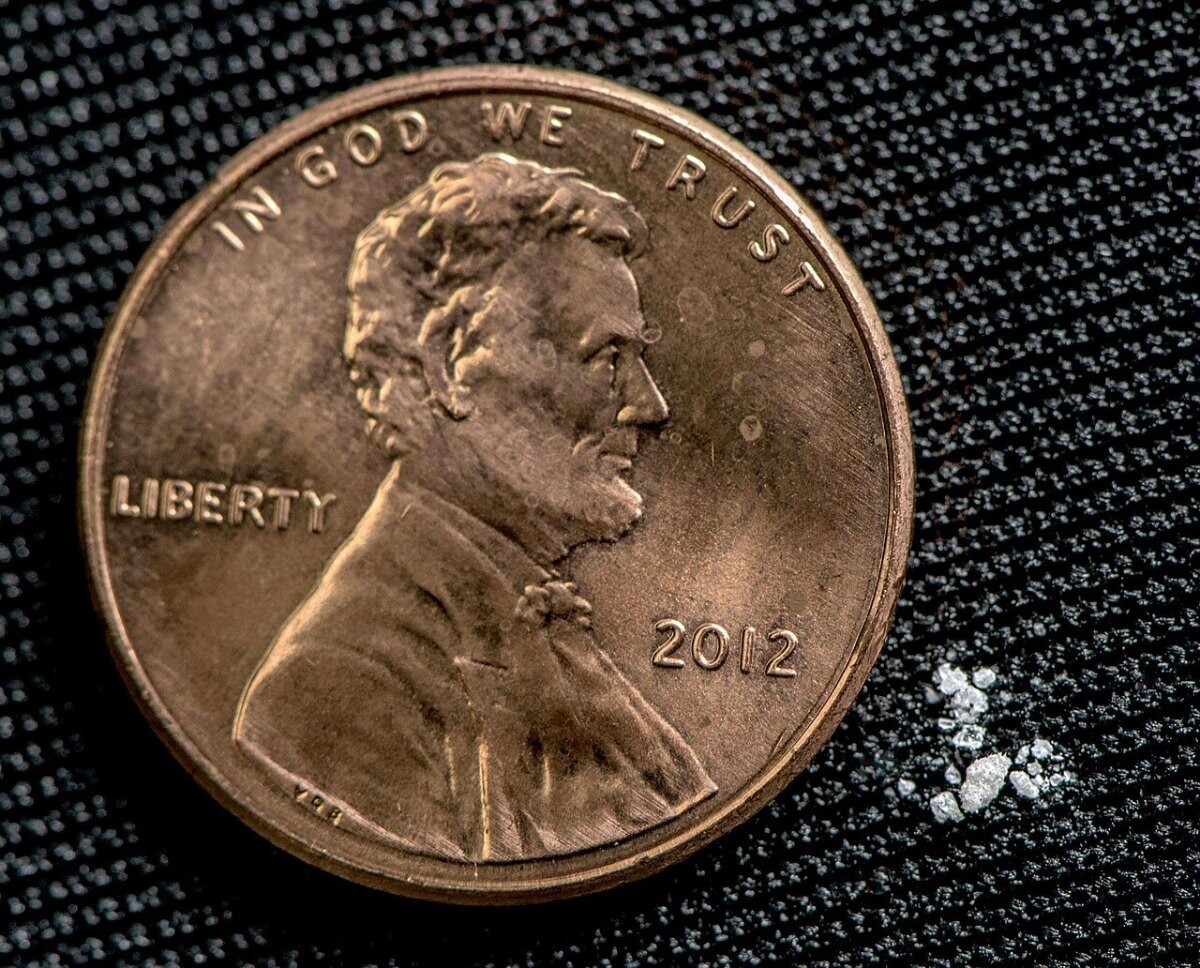
How this page is built. Figures come from the official statistical releases linked above; where agencies publish provisional numbers we say so, because they are revised. Canadian statistics are often collected by provinces and territories, and some national series run several years behind, so we say which area and year each figure covers. Photos are public-domain or Creative Commons images credited in each caption; file photos are illustrative and are not from the events described unless the caption says so. This page tracks trends and is not personal safety, medical, legal or financial advice.