Magnesium food sources, and the limit that sits below the target
Key takeaways · 10 min read
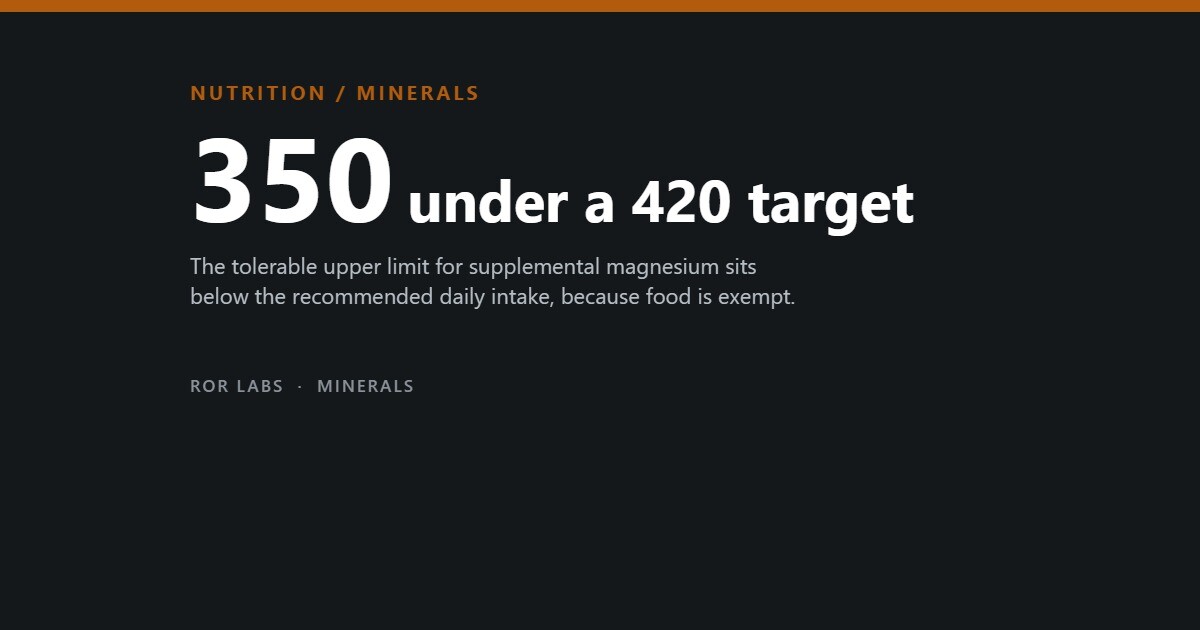
- The 350 mg upper limit sits below the 420 mg RDA because it applies only to supplements, where unabsorbed salts act as a laxative.
- 50–60% of body magnesium is in bone and under 1% is in serum, so a normal blood test cannot rule depletion out.
- Fractional absorption falls from about 65% at low intakes to 11% at high ones, and magnesium oxide measured about 4%.
- Ranked per tablespoon the top foods are rice bran, dried basil and hulled hemp seed — and only the last is eaten by the spoon.
In this article
- What magnesium does, and where it actually sits
- The tablespoon table
- The measurement problem, stated plainly
- Why the dose on the bottle tells you so little
- Cramps: the clearest answer in the file, and the least quoted
- Where the evidence is thinner, but not zero
- Getting enough without a tablet
- Questions people ask
- The short version
- Sources
Magnesium has an oddity in its reference values that is worth pausing on, because it is not a misprint and it is not an error. The recommended dietary allowance for an adult man aged 31 and over is 420 mg a day. The tolerable upper intake level — the figure meant to mark where harm starts — is 350 mg. The ceiling sits below the target.
The explanation is that the two numbers are not measuring the same thing. The 350 mg upper limit applies only to magnesium from supplements and medicines, not to magnesium from food. Magnesium salts that are not absorbed sit in the gut and draw water into it, which is why magnesium hydroxide is sold as a laxative; the upper limit is essentially a diarrhoea threshold and it has nothing to say about a plate of food.
That distinction turns out to run through the whole subject. Almost every practical question about magnesium — whether you are short of it, whether a supplement helps, which salt to buy — runs into the same wall: the measurement everybody uses does not measure the compartment that matters.
What magnesium does, and where it actually sits
Magnesium is a cofactor in several hundred enzyme reactions, and the most important of them is not exotic. The biologically active form of adenosine triphosphate, the cell’s energy currency, is magnesium-bound ATP. Magnesium also stabilises the structure of DNA and RNA, gates calcium channels, and is required for the enzyme that keeps potassium inside cells.
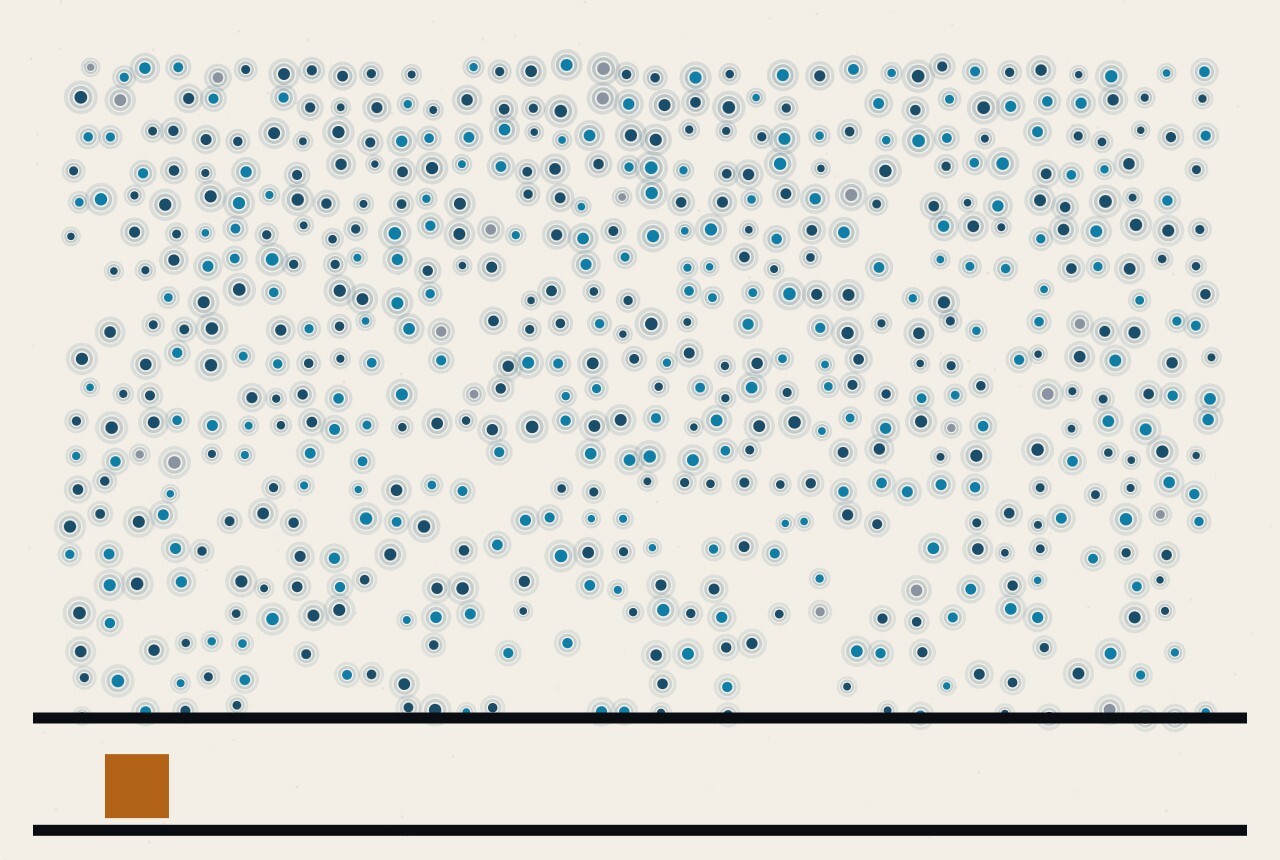
Its distribution is what makes it awkward to study. Between 50 and 60 per cent of the body’s magnesium is in bone; most of the remainder is in soft tissue. Less than 1 per cent is in blood serum, and that fraction is defended by the kidney, which reabsorbs more when intake falls. A person can be meaningfully depleted in muscle and bone and still return a serum result inside the reference range.
Where the body keeps its magnesium
Source: NIH Office of Dietary Supplements, Magnesium fact sheet. The amber sliver is the part a routine blood test sees.
The tablespoon table
Measured by the spoon, magnesium behaves much as the other minerals in this series do: the winners are dried, milled or pressed things that concentrate a plant into a small volume. Unlike iron, though, one of the top three is a food people genuinely eat by the spoonful.
Magnesium per level tablespoon (15 g)
USDA FoodData Central, SR Legacy. Values per 100 g, converted arithmetically to 15 g. An adult RDA is 310–420 mg.
| Food (FDC ID) | mg per 100 g | mg per 15 g | Share of a 420 mg RDA |
|---|---|---|---|
| Crude rice bran (169713) | 781 | 117 | 28% |
| Dried basil (171317) | 711 | 107 | 25% |
| Hulled hemp seed (170148) | 700 | 105 | 25% |
| Crude wheat bran (169722) | 611 | 91.7 | 22% |
| Pumpkin seed kernels (170556) | 592 | 88.8 | 21% |
| Unsweetened cocoa powder (169593) | 499 | 74.9 | 18% |
Source: USDA FoodData Central, SR Legacy entries as listed.
Three tablespoons of hemp seed is an ordinary portion and supplies about 315 mg, most of a day’s requirement. Rice bran and dried basil are the usual spoon-table illusions: nobody eats 15 g of either. Cocoa powder is the interesting middle case, because two tablespoons in a drink is normal and delivers about 150 mg.
The servings the NIH lists look tamer and are more useful: an ounce of pumpkin seeds at 156 mg, an ounce of almonds at 80 mg, half a cup of boiled spinach at 78 mg, half a cup of black beans at 60 mg, a medium banana at 32 mg. Magnesium is widely distributed and no single food is decisive, which is part of why shortfalls are quiet rather than dramatic.
The measurement problem, stated plainly
National survey modelling finds that roughly 48 per cent of Americans of all ages take in less magnesium from food and drink than the estimated average requirement for their age and sex, with older men and adolescents most likely to fall short. That is a statement about intake arithmetic, not about anybody’s tissues.
The obvious next step — measure it — does not work well. A systematic review of twenty candidate biomarkers of magnesium status concluded that only serum or plasma concentration, red cell concentration and urinary excretion clearly responded to dietary manipulation at all, and that the data were too thin to judge the rest. Serum is the one in routine use, and serum is the compartment holding under 1 per cent of the total.
This cuts in two directions and it is worth being explicit about both. It means a normal blood result is weak evidence that a person is replete. It also means that supplementation trials which used serum magnesium as their endpoint may have been looking in the wrong place — an argument made at length in a 2026 review that reads the flat results in hypertension, insulin resistance, sleep, cramps and migraine as partly a problem of endpoint selection rather than of magnesium.
Why the dose on the bottle tells you so little
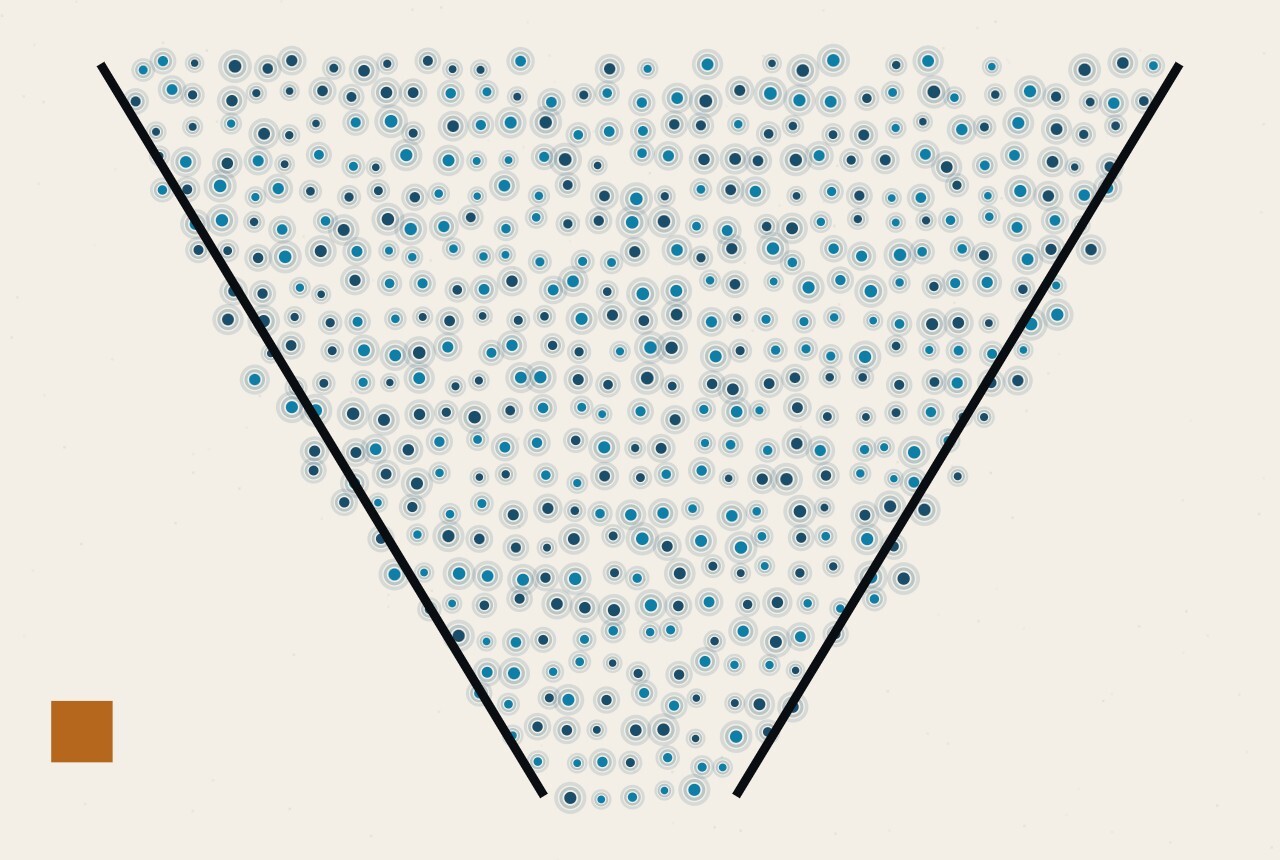
Fractional absorption falls steeply as the amount swallowed rises. The classic measurement, made in 1991 by perfusing normal subjects after a standard meal supplemented with graded doses of magnesium acetate, found fractional absorption dropping from 65 per cent at the lowest intake to 11 per cent at the highest. The authors fitted the curve as a saturable mechanism plus a linear one that absorbs about 7 per cent of whatever is swallowed, without limit.
Fraction of ingested magnesium absorbed
Sources: Fine et al., J Clin Invest 88(2):396–402 (1991); NIH ODS; Firoz and Graber, Magnesium Research (2001).
The form matters too, though less than the marketing suggests. A comparison of four commercial preparations found magnesium oxide poorly absorbed at about 4 per cent, with chloride, lactate and aspartate substantially better and equivalent to each other. Magnesium oxide is the cheapest salt and the most common one in bargain supplements, and it carries the most elemental magnesium per tablet, which is how it ends up looking like good value on a label.
Put the two facts together and the upper limit makes sense. Split doses of a well-absorbed salt get more magnesium in than one large dose of a poorly absorbed one, and the large dose of the poorly absorbed one is the version most likely to reach 350 mg and send you looking for a bathroom.
Cramps: the clearest answer in the file, and the least quoted
Magnesium is sold worldwide for muscle cramps, particularly to older people. A Cochrane review updated to September 2019 pooled eleven randomised trials and 735 participants and reached one of the more definite conclusions in this whole subject area.
In older adults with idiopathic cramps, the change in cramps per week at four weeks was a mean difference of −9.59 per cent, with a confidence interval running from −23.14 to +3.97 — moderate-certainty evidence that includes no effect comfortably. The proportion of people achieving at least a quarter fewer cramps was a relative risk of 1.04 (95% CI 0.84 to 1.29), and the reviewers graded that one high certainty. Minor side effects, mostly diarrhoea and nausea, appeared in 11 to 37 per cent of participants.
Magnesium for cramps, Cochrane 2020
Eleven trials, 735 people. Older adults with idiopathic cramps.
Source: Garrison et al., Cochrane Database of Systematic Reviews, CD009402.pub3 (2020).
The last line of that figure is the one that surprises people. For cramps during or after exercise — the use magnesium is most visibly marketed for — the reviewers found no randomised controlled trials at all. Not negative trials. None. In pregnancy the picture is genuinely unresolved: the trials disagreed too much to be combined, and the certainty was rated very low.
Where the evidence is thinner, but not zero
Three areas are worth separating from the cramp result, because they are weaker in a different way — small real effects rather than clear absence.
Three claims, three kinds of evidence
Source: NIH Office of Dietary Supplements, Magnesium — Health Professional Fact Sheet.
Bone is a fourth case and the most frustrating. Half the body’s magnesium is in the skeleton, population studies do find associations between magnesium intake and bone mineral density in both sexes, and yet there is no trial base worth the name. Plausibility and correlation have been sitting there together for thirty years without an adequate randomised test.
Getting enough without a tablet
The dietary route is unglamorous because it has no single hero food: whole grains rather than refined, legumes, nuts and seeds, leafy greens, and cocoa. Refining strips it — the bran that holds 611 mg per 100 g is the part removed to make white flour, and unlike iron, magnesium is not added back by enrichment. That is a quieter version of the same story milling tells about the B vitamins.
Groups with a real reason to look harder: people with Crohn’s disease or coeliac disease, people with type 2 diabetes, who lose more in urine, people with chronic alcohol dependence, and older adults, who absorb less and excrete more. Some common medicines matter too, particularly long-term proton pump inhibitors and loop or thiazide diuretics.
For anyone else the honest position is that the intake statistics suggest a widespread shortfall, the blood test cannot confirm it, and the trials of correcting it have mostly produced small effects. That is an uncomfortable place to end up, and it is where the evidence is.
Questions people ask
If my blood magnesium is normal, am I fine?
It is weak reassurance rather than proof. Serum holds under 1 per cent of body magnesium and the kidney defends that fraction, so a normal result is compatible with depleted tissue. It is still the test in routine use because the alternatives are not better validated.
Which magnesium salt should I buy?
The published comparison found oxide absorbed around 4 per cent against substantially better and roughly equal figures for chloride, lactate and aspartate. That study was small and used urinary increment rather than isotopes, so treat it as a reason to avoid oxide rather than a ranking of the rest.
Will magnesium stop my leg cramps at night?
The pooled randomised evidence in older adults says probably not, and that particular finding is graded high certainty for the clearest outcome measure. It is one of the few places in nutrition where the answer is reasonably settled.
Why is the upper limit lower than the recommended intake?
Because they describe different things. The 350 mg limit is a threshold for the laxative effect of unabsorbed magnesium salts from supplements and medicines. Food magnesium is not covered by it, and the kidney handles dietary surpluses without difficulty in people with normal renal function.
Does magnesium help with sleep?
The trials are small and mostly used serum as a status check rather than a proper endpoint. There is not enough there to call it either way, which is a different statement from the cramp result.
The short version
- The 350 mg upper limit sits below the 420 mg RDA because it applies only to supplements, where unabsorbed salts act as a laxative.
- 50–60% of body magnesium is in bone and under 1% is in serum, so a normal blood test cannot rule depletion out.
- Fractional absorption falls from about 65% at low intakes to 11% at high ones, and magnesium oxide measured about 4%.
- Ranked per tablespoon the top foods are rice bran, dried basil and hulled hemp seed — and only the last is eaten by the spoon.
- For cramps in older adults, pooled trials found no benefit, with the clearest outcome graded high certainty; for exercise cramps there are no trials at all.
- Blood pressure, diabetes and migraine show small or observational effects, and bone has plausibility without a trial base.
This describes what published research has reported. It is not medical advice and not a reason to start or stop a supplement. Magnesium supplements interact with several common medicines and are not safe at ordinary doses in significant kidney impairment, where the kidney cannot clear a surplus — that is a conversation with a clinician, not a label.
Further reading: Fine et al., Journal of Clinical Investigation 88(2):396–402 (1991), for the absorption curve. Garrison et al., Cochrane Database of Systematic Reviews CD009402.pub3 (2020), for the cramp review. Witkowski et al., Magnesium Research 24(4):163–180 (2011), for the survey of status biomarkers.
- The Scout Mindset, Julia Galef (2021). On reasoning to see clearly rather than to defend a supplement one already takes.
- How to Talk to a Science Denier, Lee McIntyre (2021). On engaging contested claims without dismissing or overselling them.
- The Data Detective, Tim Harford (2020). Ten rules for reading numbers in the news skeptically.
Sources
NIH Office of Dietary Supplements, Magnesium — Health Professional Fact Sheet (RDAs, the 350 mg UL and its scope, distribution between bone, soft tissue and serum, 30–40% typical absorption, NHANES shortfall, food servings, blood pressure, diabetes, osteoporosis and migraine sections, laxative effect).
USDA FoodData Central, SR Legacy: 169713, 171317, 170148, 169722, 170556, 169593, 170567, 168462, 173734.
Fine KD, Santa Ana CA, Porter JL, Fordtran JS. Intestinal absorption of magnesium from food and supplements. J Clin Invest 1991;88(2):396–402.
Firoz M, Graber M. Bioavailability of US commercial magnesium preparations. Magnesium Research 2001 (PMID 11794633).
Garrison SR, Korownyk CS, Kolber MR, et al. Magnesium for skeletal muscle cramps. Cochrane Database Syst Rev 2020;9:CD009402.
Witkowski M, Hubert J, Mazur A. Methods of assessment of magnesium status in humans: a systematic review. Magnes Res 2011;24(4):163–180.
Chandarana J, Butani K. Why serum magnesium fails: a narrative review of magnesium biochemistry, compartmental exchange, and endpoint selection for supplementation trials. J Am Nutr Assoc 2026 (online).