
Overdraft Fees: What the Evidence Shows
9% of US checking accounts pay 79% of overdraft fees. What research shows about who pays, why alerts help only a little, and what happened to the CFPB fee cap.
Risk landing on financial assets, property, income, cash flow, debt, credit and purchasing power.
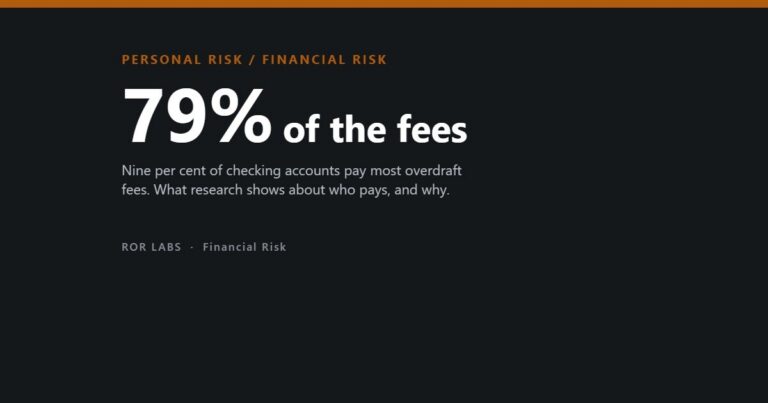
9% of US checking accounts pay 79% of overdraft fees. What research shows about who pays, why alerts help only a little, and what happened to the CFPB fee cap.
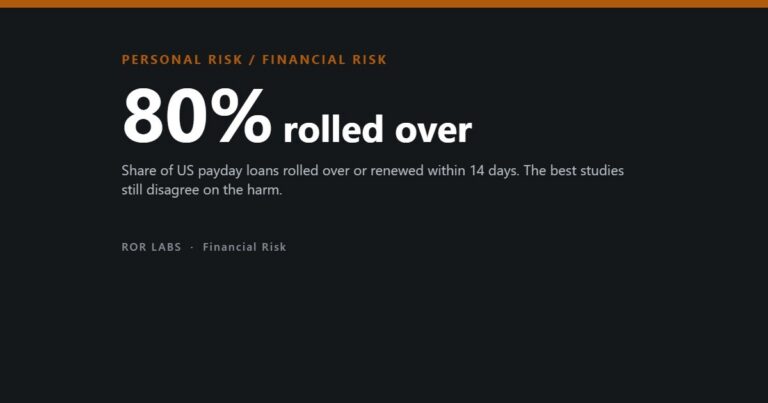
More than 80% of US payday loans are rolled over within 14 days. But careful studies disagree on the harm, and bans push borrowers elsewhere. What the evidence shows.
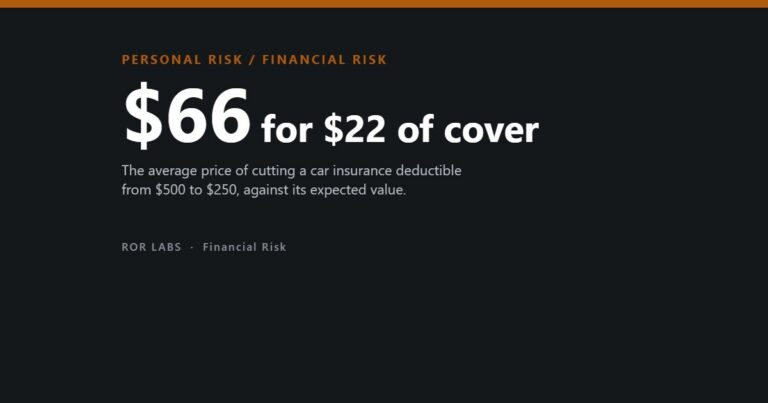
Most households pay far more to lower their insurance deductible than the extra cover is worth. When that is a mistake, and when it is not.
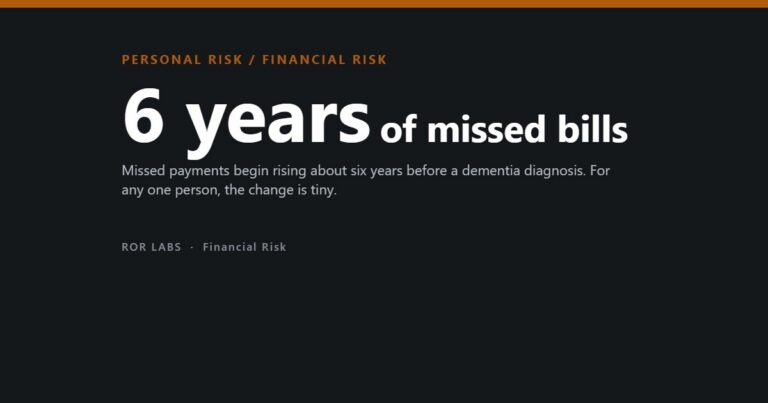
Missed payments begin rising about six years before a dementia diagnosis, and confidence in managing money does not fall as ability does. What the evidence shows.
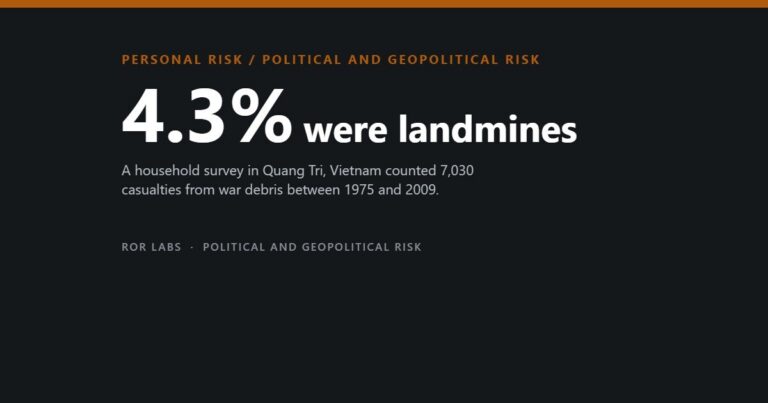
A household survey in one Vietnamese province found that only 4.3 per cent of 7,030 war-debris casualties came from landmines. What the casualty records show about explosive remnants of war, who dies, and the prevention programme nobody could measure.
In This Series: Personal Finance & Investing Why Most Stock Investors Lose Money: What the Evidence Actually Shows Options and Futures: Where Retail Money Actually Goes Two Retirees, the Same Returns, Only One Runs Out. The Difference Is the Order. Deposit Insurance Stops at $250,000. Since 2008, Uninsured Depositors Have Actually Lost Money in Six…
In This Series: Personal Finance & Investing Why Most Stock Investors Lose Money: What the Evidence Actually Shows Options and Futures: Where Retail Money Actually Goes Two Retirees, the Same Returns, Only One Runs Out. The Difference Is the Order. Deposit Insurance Stops at $250,000. Since 2008, Uninsured Depositors Have Actually Lost Money in Six…
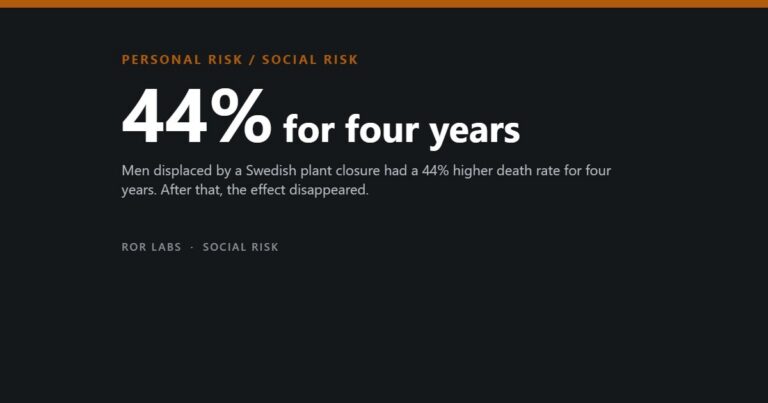
File photo: an English Jobcentre Plus office. Photo: Hassocks5489, via Wikimedia Commons, CC0. In the news · April 2026 The 2026 Economic Report of the President says workers displaced in mass layoffs face 50-100 percent higher mortality in later years, cutting life expectancy by roughly 1 to 1.5 years. It values that loss at about…
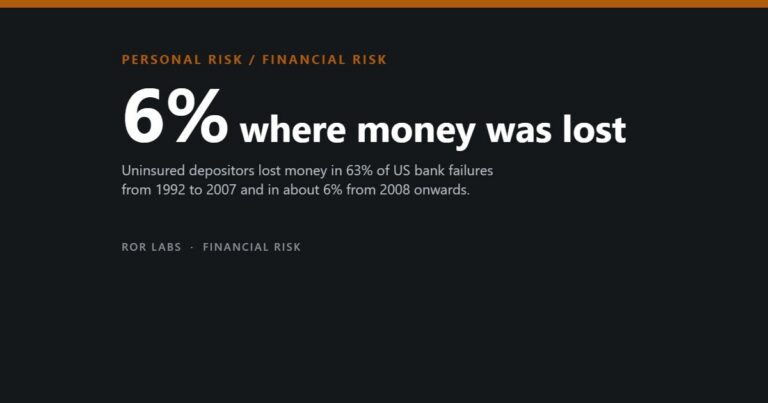
The limit is per depositor, per insured bank, per ownership category — and it is triggered only by a bank failing. Uninsured depositors lost money in 63% of US failures from 1992 to 2007 and in about 6% since. That was a change in practice, not in law.
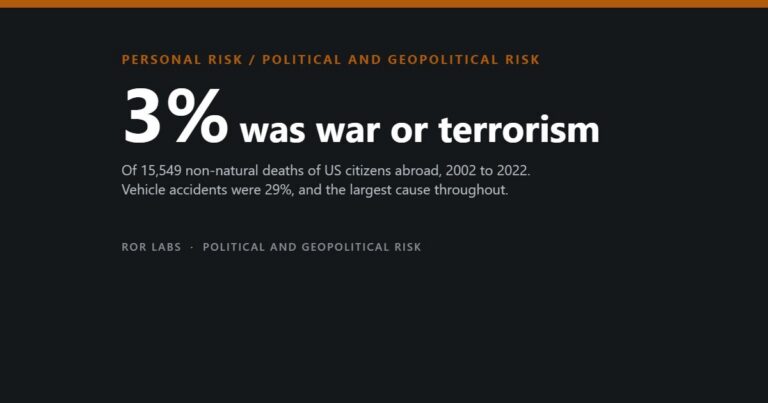
Two decades of consular records put war and terrorism at 3% of non-natural deaths of US citizens abroad and vehicles at 29%. What the advisory levels do not do, why the insurance excludes exactly this event, and why a government evacuation is a promissory note rather than a rescue.