

Trend summary
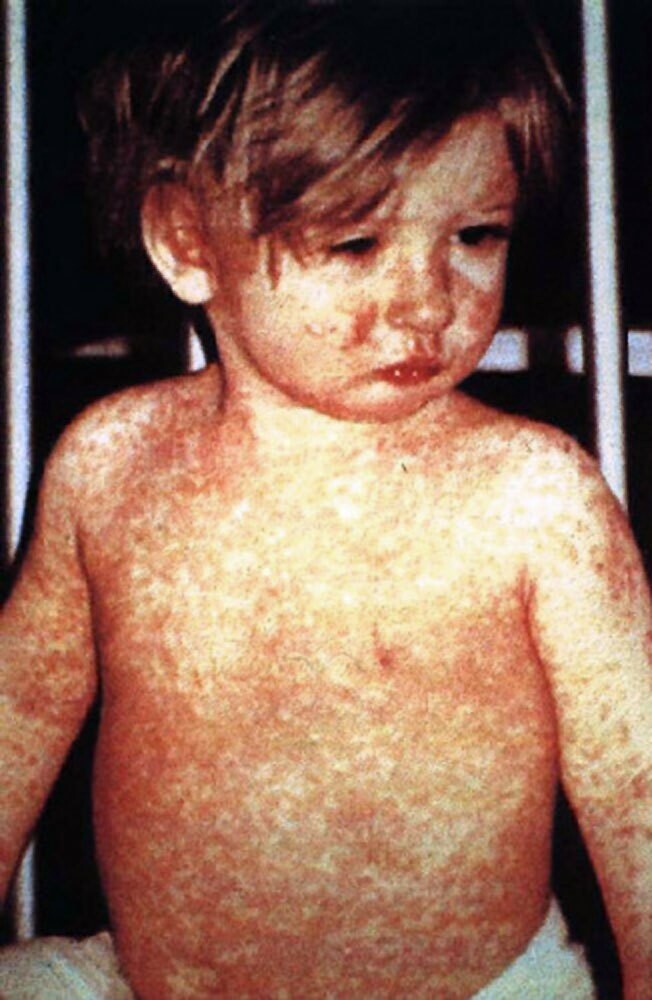
- Canada eliminated measles in 1998. In November 2025 it lost that status.
- An outbreak that began in October 2024 produced 5,159 cases by late November 2025, with two infant deaths. 94% of cases were unvaccinated or of unknown status.
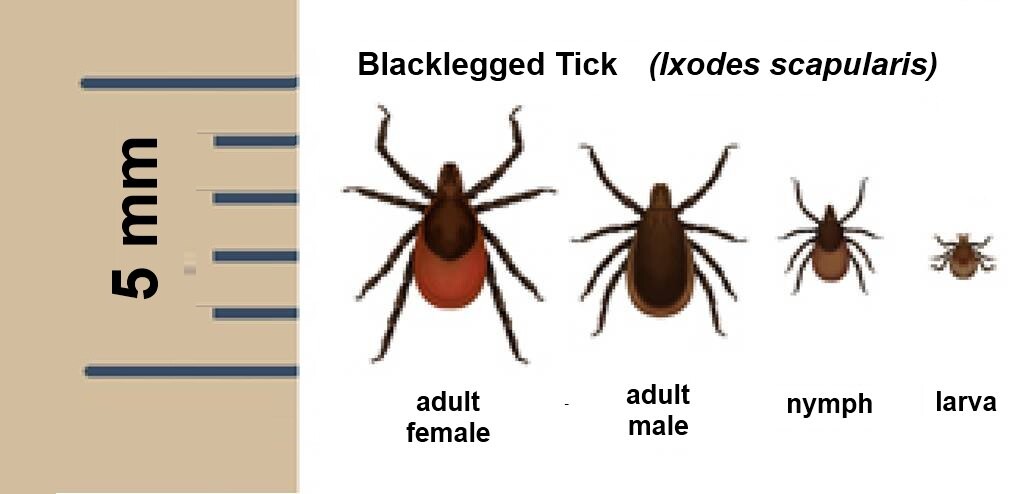
- Lyme disease reached a record 4,785 cases in 2023, about 90% more than the year before, as ticks spread north.
- COVID-19 deaths fell 37% in 2024, while influenza and pneumonia deaths rose 20%.
What the numbers show
The Public Health Agency of Canada confirms that Canada lost measles elimination on 10 November 2025, after one strain circulated for more than 12 months. The outbreak had reached 5,159 cases by 21 November 2025; 71% were under 18, and two premature babies infected before birth died. Transmission continued into 2026, with 1,119 confirmed cases to early September.
Other trends are mixed. Lyme disease rose to 4,785 cases in 2023, with Nova Scotia and Ontario hardest hit. Active tuberculosis rose to 5.5 per 100,000 in 2023, and the rate among Inuit was 204.2. In 2024, COVID-19 deaths fell to 5,056 while influenza and pneumonia deaths rose to 7,658. In Ontario, whooping cough hit 1,730 cases in 2024, the most since at least 2007, then fell to 187 in 2025.
What is driving it
Measles spreads where vaccination slips. The latest national survey found only 79.2% of seven-year-olds had two measles doses in 2021, well short of the 95% needed. Climate warming is pushing black-legged ticks north; a model in Canada’s Communicable Disease Report projects that Lyme cases acquired in Quebec could be up to 14.5 times the 2019 level by 2050. TB among Inuit is tied to overcrowded housing, food insecurity and remoteness.
Recent cases
- 3 August 2026: Quebec declares its most recent measles outbreak over (CTV News).
- 13 January 2026: Statistics Canada reports COVID-19 deaths down 36.6% in 2024 and influenza and pneumonia deaths up 20% (Statistics Canada).
- 10 November 2025: PHAC confirms that the Pan American Health Organization has notified Canada it no longer holds measles elimination status (PHAC).
Press releases and official reports, 2023–2026
Five key releases a year for the last four years, newest first. Most come from federal departments and agencies, the Transportation Safety Board, Statistics Canada and provincial governments; a few news and trade reports are included where they are the clearest public record of an event. Releases from 2007–2022 are in the expandable list after 2023.
2026
- 26 May 2026PHACGovernment of Canada introduces temporary border measures in response to the Ebola disease outbreak
- 12 May 2026PHACMedia update on Andes hantavirus situation
- 27 Apr 2026PHACCouncil of Chief Medical Officers of Health (CCMOH) Statement to Canadians on Vaccination
- 24 Mar 2026PHACJoint Statement from the Acting Chief Public Health Officer of Canada and the Chief Medical Officer of Public Health for Indigenous Services Canada on World Tuberculosis Day
- 13 Jan 2026Statistics CanadaDeaths, 2024
2025
- 10 Nov 2025PHACStatement from the Public Health Agency of Canada on Canada’s Measles Elimination Status
- 24 Mar 2025PHACJoint Statement from the Chief Public Health Officer of the Public Health Agency of Canada and the Chief Medical Officer of Public Health of Indigenous Services Canada on World Tuberculosis Day 2025
- 6 Mar 2025PHACStatement from the Chief Public Health Officer of Canada on the Increase in Measles Cases and the Risk to People in Canada
- 19 Feb 2025PHACGovernment of Canada purchases avian influenza vaccine to protect individuals most at risk
- 29 Jan 2025PHACStatement from the Chief Public Health Officer of Canada on Measles and the Risk to Canadians
2024
- 22 Nov 2024PHACPublic Health Agency of Canada confirms the first case of clade I mpox in Canada
- 24 Oct 2024PHACStatement from the Chief Public Health Officer of Canada on her annual report 2024: Realizing the Future of Vaccination for Public Health
- 27 Mar 2024PHACStatement from the Chief Public Health Officer of Canada Update on Measles and Risk to Canadians
- 23 Feb 2024PHACStatement from the Chief Public Health Officer of Canada on Global Increase in Measles and Risk to Canada
- 14 Feb 2024PHACStatement from the Chief Public Health Officer of Canada on syphilis
2023
- 14 Dec 2023PHACStatement from the Chief Public Health Officer of Canada on Respiratory Illness Season
- 22 Nov 2023PHACNational Influenza Annual Report: Canada's first fall epidemic since 2019
- 22 Nov 2023PHAC (CCDR)Current and future burden from Lyme disease in Québec as a result of climate change
- 8 Mar 2023PHACUpdate on mpox in Canada, March 2023
- 24 Jan 2023PHACPertussis epidemiology in Canada, 2005–2019
View 20 years of major Canadian infectious disease press releases (2007–2026)80 more from 2007–2022, five a year, newest first
2022
- 26 Oct 2022PHACNational Influenza Annual Report, Canada, 2021–2022: A brief, late influenza epidemic
- 12 Aug 2022PHACStatement from the Chief Public Health Officer of Canada on August 12, 2022
- 29 Jun 2022PHACMonkeypox brief, June 2022
- 10 Jun 2022PHACRemarks from the Chief Public Health Officer, June 10, 2022
- 9 May 2022PHACSurveillance for Lyme disease in Canada, 2009 to 2019
2021
- 23 Dec 2021PHACStatement from the Council of Chief Medical Officers of Health (CCMOH): COVID-19 vaccination and the Omicron variant
- 14 Oct 2021PHACNational Influenza Annual Report, Canada, 2020–2021, in the global context
- 29 Mar 2021PHACUse of AstraZeneca COVID-19 vaccine in younger adults
- 24 Mar 2021PHACStatement from the Chief Public Health Officer of Canada on March 24, 2021
- 14 Jan 2021PHACStatement from the Council of Chief Medical Officers of Health: Implementing COVID-19 Vaccination in Canada — Vaccine Dose Interval
2020
- 22 Oct 2020PHACDescriptive epidemiology of deceased cases of COVID-19 reported during the initial wave of the epidemic in Canada, January 15 to July 9, 2020
- 16 Jul 2020PHACStatement from the Chief Public Health Officer of Canada on July 16, 2020
- 2 Jul 2020PHACA retrospective analysis of the start of the COVID-19 epidemic in Canada, January 15–March 12, 2020
- 9 Apr 2020PHACStatement from the Chief Public Health Officer of Canada on the release of national modelling on the COVID-19 epidemic in Canada
- 9 Feb 2020PHACStatement from the Chief Public Health Officer of Canada on the release of selected individuals from quarantine for 2019 novel coronavirus
2019
- 5 Dec 2019PHACHIV in Canada—Surveillance Report, 2018
- 7 Nov 2019PHACInfectious syphilis cases reported in Canada 2009–2018
- 25 Apr 2019PHACChief Public Health Officer to chair discussion on the spread of misinformation about vaccines on social media
- 12 Mar 2019PHACStatement from the Chief Public Health Officer of Canada, Dr. Theresa Tam, on the current measles outbreak and vaccine hesitancy
- 7 Feb 2019PHACTuberculosis in Canada: 2017
2018
- 6 Dec 2018PHACHIV in Canada—Surveillance Report, 2017
- 4 Oct 2018PHACThe continued rise of Lyme disease in Ontario, Canada: 2017
- 6 Sep 2018PHACUpdated NACI recommendation for measles post-exposure prophylaxis
- 1 Mar 2018PHACAddressing tuberculosis among Inuit in Canada
- 1 Feb 2018PHACInfectious and congenital syphilis in Canada, 2010–2015
2017
- 7 Dec 2017PHACHIV in Canada—Surveillance Report, 2016
- 2 Nov 2017PHACTuberculosis drug resistance in Canada: 2006–2016
- 5 Oct 2017PHACSurveillance for Lyme disease in Canada: 2009–2015
- 30 May 2017PHACGovernment of Canada announces funding for Lyme disease research
- 2 Mar 2017PHACTuberculosis in Canada – Summary 2015
2016
- 1 Dec 2016PHACGovernment of Canada announces progress and new investments to eliminate HIV/AIDS as a public health threat
- 1 Dec 2016PHACVaccine acceptance, hesitancy and refusal in Canada: Challenges and potential approaches
- 4 Aug 2016PHACRapid Risk Assessment: The risk of Zika virus to Canadians
- 7 Jul 2016PHACMeasles surveillance in Canada: 2015
- 5 May 2016PHACCanadian recommendations on the prevention and treatment of Zika virus: Update
2015
- 16 Dec 2015PHACConference to Develop a Federal Framework on Lyme Disease
- 2 Dec 2015PHACImplementation of the Human Pathogens and Toxins Act and Regulations
- 1 Dec 2015PHACWorld AIDS Day – December 1, 2015
- 28 Jul 2015PHACWorld Hepatitis Day – July 28, 2015
- 24 Mar 2015PHACWorld Tuberculosis Day
2014
- 19 Dec 2014PHACGovernment of Canada announces on-ground support for the Ebola outbreak response in Sierra Leone
- 11 Dec 2014PHACCanada at the forefront of Ebola response, shares best practices with international partners
- 4 Dec 2014PHACSpeaking Notes for Dr. Gregory Taylor Chief Public Health Officer of Canada: Canadian Immunization Conference
- 1 Dec 2014PHACWorld AIDS Day – December 1st, 2014
- 28 Apr 2014PHACNational Immunization Awareness Week – April 26 to May 3, 2014
2013
- 13 Dec 2013PHACCanada Firmly Committed to Global Health Security
- 29 Nov 2013PHACWorld AIDS Day – December 1, 2013
- 27 Nov 2013PHACGovernment of Canada Deploys Epidemiologist in Support of World Health Organization Public Health Efforts in the Philippines
- 15 Nov 2013PHACFoodNet Canada
- 17 Sep 2013PHACMinister Ambrose Visits Leading Edge Infectious Diseases Research Laboratory in Canada
2012
- 3 Dec 2012PHACHarper Government Announces Support for Influenza Research and Launches New Online Immunization Guide for Doctors
- 6 Nov 2012PHACThe Public Health Agency of Canada reminds Canadians to protect themselves this flu season
- 30 Sep 2012PHACCanada Deploys Mobile Laboratory to Assist in African Ebola Outbreak
- 12 Sep 2012PHACGovernment of Canada supports International AIDS Vaccine 2012 Conference
- 27 Aug 2012PHACPublic Health Notice: Outbreak of Salmonella Illness Related to Mangoes
2011
- 29 Jun 2011Saskatchewan GovernmentPERSONAL PROTECTION URGED FOR WEST NILE VIRUS RISK PERIOD
- 21 Jun 2011PHACPublic Advisory: E. coli outbreak
- 25 Mar 2011PHACGovernment of Canada Awards Contracts for the Supply of Influenza Vaccine
- 28 Jan 2011Saskatchewan GovernmentINFLUENZA CASES INCREASING; VACCINE STILL AVAILABLE
- 13 Jan 2011PHACGovernment of Canada to Help in the Effort to Control Tuberculosis in Nunavut
2010
- 12 Oct 2010Manitoba GovernmentMinister Gets the Shot, Not the Flu, Says You Should Too
- 8 Sep 2010Saskatchewan GovernmentFIRST HUMAN CASES OF WEST NILE VIRUS REPORTED IN SASKATCHEWAN
- 31 Jul 2010PHACNOTE TO EDITORS – July 31, 2010
- 28 Jan 2010PHACGovernment of Canada Announces Significant Contribution to WHO Global Pandemic Relief Efforts
- 14 Jan 2010Saskatchewan GovernmentH1N1 IMMUNIZATIONS ENCOURAGED FOR ALL AND ESPECIALLY YOUNG MEN
2009
- 12 Nov 2009PHACPHAC updates recommendations on H1N1 vaccine for children
- 16 Sep 2009PHACGovernment of Canada Issues Guidance on H1N1 Influenza Vaccine Sequencing
- 6 Aug 2009PHACGovernment of Canada announces intention to order 50.4 million doses of H1N1 vaccine
- 5 May 2009PHACFederal Government Updates Case Numbers on H1N1 Flu Virus
- 26 Apr 2009PHACGovernment of Canada is Working Closely with Provinces and Territories and International Partners to Address Swine Flu
2008
- 5 Sep 2008PHACPandemic Plan Strengthened
- 23 Aug 2008PHACLink Between Listeriosis Outbreak Strain and Maple Leaf Foods Products Confirmed
- 20 Aug 2008PHACPHAC Statement on a Listeria Monocytogenes Outbreak
- 7 Jul 2008PHACUpdate: UPDATE OF SALMONELLA SAINTPAUL SITUATION IN CANADA
- 16 Jun 2008PHACMeasles
2007
- 21 Dec 2007PHACAvian Influenza A (H5N1)
- 17 Sep 2007PHACCanada Deploys Mobile Laboratory to Assist in Ebola Outbreak in the Democratic Republic of Congo
- 1 Jun 2007PHACTravel Health Advisory – Measles Outbreak in Japan
- 31 May 2007PHACAdvisory – Drug Resistant TB Case
- 9 Mar 2007PHACCanada Provides Assistance to Pan American Health Organization for Disease Surveillance
Photo list
How this page is built. Figures come from the official statistical releases linked above; where agencies publish provisional numbers we say so, because they are revised. Canadian statistics are often collected by provinces and territories, and some national series run several years behind, so we say which area and year each figure covers. Photos are public-domain or Creative Commons images credited in each caption; file photos are illustrative and are not from the events described unless the caption says so. This page tracks trends and is not personal safety, medical, legal or financial advice.