
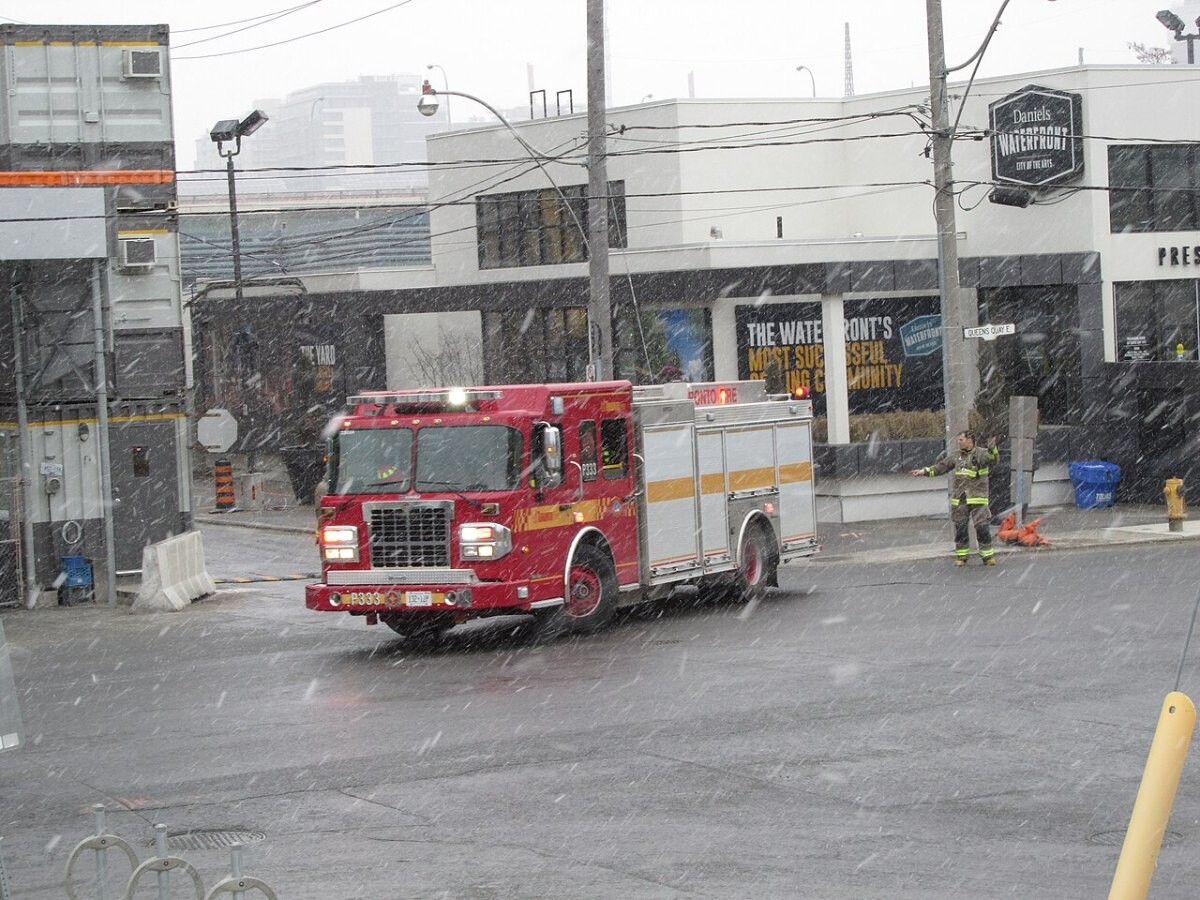
Trend summary
- Canada has fewer fires than it did a generation ago, but the number of people dying in them has stopped falling. Most of those deaths happen at home.
- Coroners and medical examiners recorded about 220 fire-related deaths a year across Canada in 2011-2020. In 2021, three in four fire deaths in the jurisdictions that report national fire data happened in a residential fire.
- Ontario, the largest province, recorded 133 fire deaths in 2022, the most in over 20 years, and 127 in 2025.
- Lithium-ion batteries are the new ignition source: Toronto firefighters went from 29 battery fires in 2022 to 71 in 2025, and the chief expects about 100 in 2026.
What the numbers show
Canada has no single, up-to-date national count of home fires. Statistics Canada’s National Fire Information Database covers only the jurisdictions that send data (five provinces, Yukon and Canadian Armed Forces bases), and its latest release stops at 2021. In those areas fire deaths rose from 148 in 2019 to 199 in 2020 and 202 in 2021. There were 10,819 residential fires in 2021, close to 30 a day, and 156 people died in them.
For the whole country, death records give a steadier figure: about 220 fire-related deaths a year in 2011-2020, 81% of them unintentional. Provincial data are newer. Ontario’s Fire Marshal reported 127 deaths from 112 fatal fires in 2025 and 77 more by 21 September 2026. British Columbia recorded 62 fire deaths in 2023, 31 of them in residential structure fires.
What is driving it
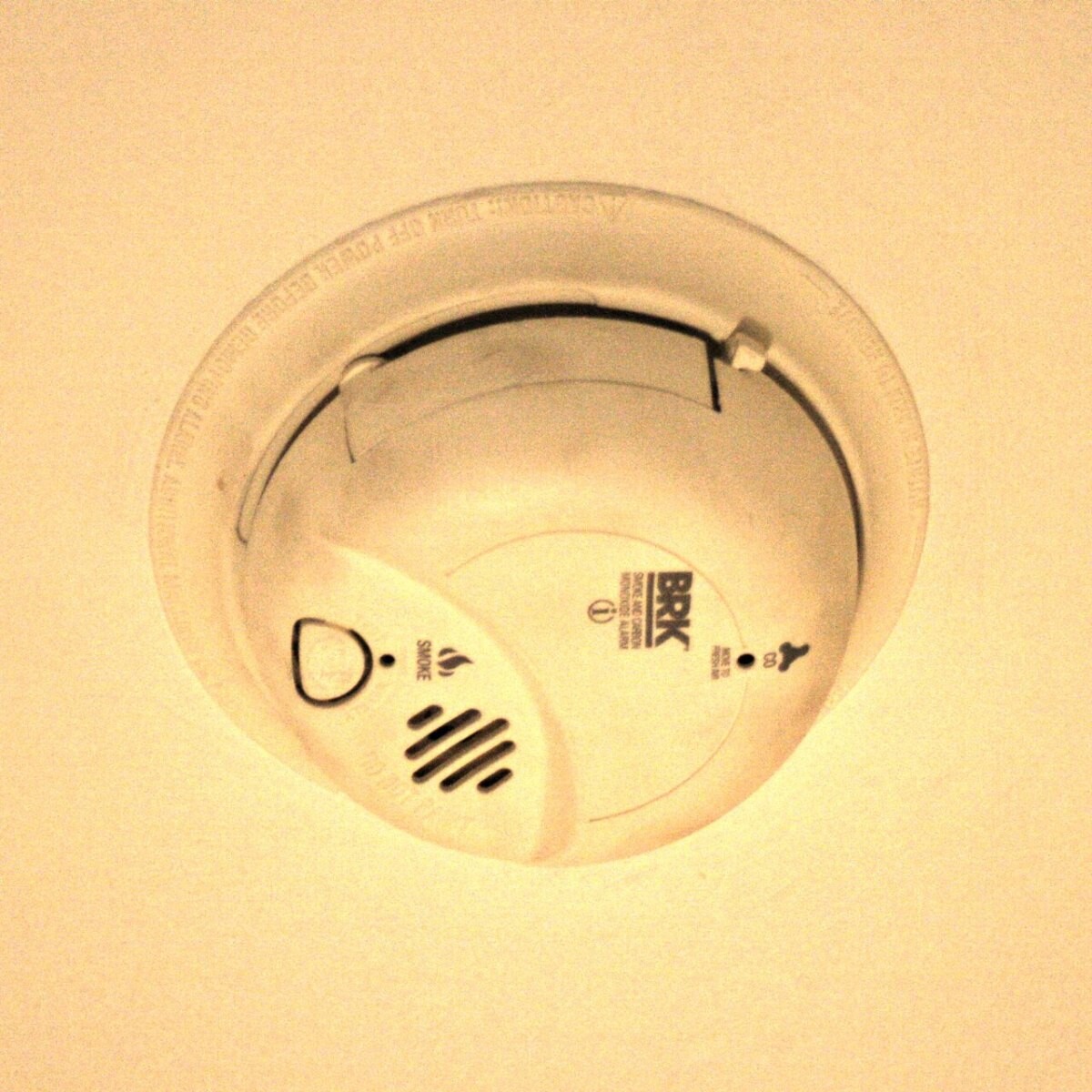
The pattern is old and stubborn. In 2015-2021, cooking started 32% of residential fires, but smokers’ materials were behind 64% of residential fire deaths. Only 37% of residential fires had a working smoke alarm, and homes without one (or where its status was unknown) accounted for 74% of the deaths (Statistics Canada). Older adults have the highest death rate; deaths among seniors doubled in 2020, when people spent more time at home.
The new factor is batteries in e-bikes, e-scooters and power banks. Toronto Fire responded to 29 lithium-ion battery fires in 2022, 71 in 2025 and 50 by late July 2026 (CP24). Health Canada warns that modified or misused e-mobility batteries can be extremely dangerous.
Recent cases
- 21 September 2026: Ontario’s Fire Marshal launches the fourth Test Your Smoke Alarm Day, reporting 127 fire deaths in 2025 and 77 so far in 2026 (Ontario OFM).
- 27 July 2026: Toronto’s fire chief says battery fire calls are on track to reach 100 this year, a 250% rise since 2022 (CP24).
- 10 October 2025: Health Canada expands a recall of ESR HaloLock wireless power banks (11,757 sold in Canada) after nine reports of fires (CP24).
Press releases and official reports, 2023–2026
Five key releases a year for the last four years, newest first. Most come from federal departments and agencies, the Transportation Safety Board, Statistics Canada and provincial governments; a few news and trade reports are included where they are the clearest public record of an event. Releases from 2007–2022 are in the expandable list after 2023.
2026
- 5 Oct 2026Government of Newfoundland and LabradorProvincial Government Recognizes Fire Prevention Week 2026
- 2 Oct 2026Public Safety CanadaStatement by Minister Olszewski to launch Fire Prevention Week 2026
- 24 Sep 2026Health CanadaGalanz Retro Refrigerators recalled due to fire and burn hazards
- 21 Sep 2026Ontario OFMAll Ontarians Urged to Test their Smoke Alarms on September 28, Ontario's Fourth Annual "Test Your Smoke Alarm Day"
- 27 Jul 2026CP24Lithium-ion battery fire calls on track to reach 100 by year's end, says Toronto Fire Chief, a 250 per cent spike since 2022
2025
- 12 Dec 2025Ontario OFMREAL STORIES, REAL SAFETY: ONTARIO'S HOLIDAY FIRE SAFETY CAMPAIGN BEGINS
- 27 Nov 2025Ontario OFMFire Safety Doesn't Go on Sale: Office of the Fire Marshal Warns of Lithium-Ion Battery Fire Risks this Shopping Season
- 10 Oct 2025CP24Recall of portable chargers expanded, more fires reported
- 3 Oct 2025Public Safety CanadaStatement by Minister Olszewski to launch the 2025 Fire Prevention Week
- 20 Mar 2025Ontario OFMStatement from Ontario Fire Marshal Regarding Latest Fatal Fires
2024
- 6 Oct 2024Public Safety CanadaStatement by Minister Sajjan on Fire Prevention Week
- 4 Oct 2024Nova Scotia GovernmentWorking Smoke Alarms Save Lives, Homes
- 4 Oct 2024Ontario OFMOnly Working Smoke Alarms Can Save Lives
- 27 Sep 2024Government of SaskatchewanDon't be Alarmed: Tomorrow is Test Your Smoke Alarm Day
- 8 Aug 2024Statistics CanadaCircumstances surrounding fire-related deaths among Indigenous people in Canada, 2011 to 2020
2023
- 11 Oct 2023Statistics CanadaThree in four fire related deaths in 2021 occurred in a residential fire
- 7 Oct 2023Public Safety CanadaStatement by Minister Sajjan on Fire Prevention Week
- 1 Aug 2023Health CanadaDanby Space Heater 1500 Watt (11”) recalled due to fire hazard
- 8 Jun 2023Statistics CanadaFire incidents increase during the pandemic
- 19 May 2023Indigenous Services CanadaInaugural First Nations First Responders Gathering held in Ottawa, First Nations Fire Protection Strategy updated
View 20 years of major Canadian home fire press releases (2007–2026)74 more from 2007–2022, up to five a year, newest first
2022
- 9 Dec 2022Statistics CanadaPolice-reported arson and fire-related homicide in Canada
- 11 Oct 2022Public Safety CanadaStatement by Minister Blair on Fire Prevention Week
- 7 Oct 2022Government of SaskatchewanSaskatchewan Declares Fire Prevention Week
- 16 Jun 2022Statistics CanadaCircumstances surrounding unintentional fire-related deaths, 2011 to 2020
- 3 May 2022Statistics CanadaNational Fire Information Database, 2015 to 2021
2021
- 4 Oct 2021Government of Newfoundland and LabradorProvincial Government Recognizes Fire Prevention Week 2021
- 4 Oct 2021Government of SaskatchewanSaskatchewan Declares Fire Prevention Week
- 3 Sep 2021Government of SaskatchewanAmendments Protect Citizens From The Dangers Of Carbon Monoxide And Building Fires
- 4 Aug 2021Health CanadaVarious AeonAir, Danby and De'Longhi Dehumidifiers recalled due to Fire Hazard
- 22 Jul 2021Office of the Chief Coroner for OntarioOntario Chief Coroner’s Table on understanding fire deaths in First Nations
2020
- 6 Oct 2020Government of Newfoundland and LabradorMinisterial Statement – Minister Crocker Recognizes Fire Prevention Week 2020
- 5 Oct 2020Public Safety CanadaStatement from Minister Blair on Fire Prevention Week
- 5 Oct 2020Government of Newfoundland and LabradorProvincial Government Recognizes Fire Prevention Week 2020
- 5 Oct 2020Government of ManitobaProvince Launches $5-Million Fund for Fire Protection Grants as Part of Fire Prevention Week
- 19 Feb 2020Health CanadaCombination Smoke and Carbon Monoxide Detector recalled due to potential failure to operate
2019
- 8 Oct 2019Government of Newfoundland and LabradorMedia Advisory: Minister Bragg to Attend Fire Prevention Week Activities at Beachy Cove Elementary
- 7 Oct 2019Government of Newfoundland and LabradorProvincial Government Recognizes Fire Prevention Week 2019
- 7 Oct 2019Government of SaskatchewanFire Prevention Week Declared In Saskatchewan
- 6 Oct 2019Government of ManitobaManitobans are Reminded Fire Prevention Week is October 6 to 12
- 11 Jun 2019Health CanadaAmazonBasics 1500 Watt Ceramic Space Heater recalled due to fire hazard
2018
- 9 Oct 2018Indigenous Services CanadaStatement from Minister Philpott on Fire Prevention Week
- 9 Oct 2018Government of Newfoundland and LabradorProvincial Government Recognizes Fire Prevention Week 2018
- 9 Oct 2018Government of SaskatchewanKitchen Fires Focus Of 2018 Fire Prevention Week In Saskatchewan
- 4 Oct 2018Nova Scotia GovernmentFire Prevention Week: Look, Listen, Learn
- 4 Sep 2018Government of SaskatchewanSmoke Alarm Check: Working Alarms Protect Your Family
2017
- 20 Dec 2017Government of SaskatchewanMake Fire Safety a Holiday Tradition
- 12 Oct 2017Government of SaskatchewanEvery Second Counts – Plan Two Ways Out!
- 10 Oct 2017Public Safety CanadaStatement from Minister Goodale on Fire Prevention Week
- 6 Oct 2017Government of ManitobaManitobans Reminded Fire Prevention Week is Oct. 8 to 14
2016
- 2 Nov 2016Health CanadaGD Midea Air Conditioning Equipment Company recalls various brand dehumidifiers
- 12 Oct 2016INACGovernment of Canada and Aboriginal Firefighters' Association of Canada partner to promote fire safety during Fire Prevention Week
- 11 Oct 2016Government of SaskatchewanSparky The Fire Dog Spends His Birthday Teaching Students About Fire Safety
- 9 Oct 2016Public Safety CanadaStatement from Minister Goodale on Fire Prevention Week
- 7 Oct 2016Government of ManitobaFire Prevention Week Oct. 9 to 15
2015
- 23 Dec 2015Government of SaskatchewanBe Safe This Holiday Season
- 5 Oct 2015Government of SaskatchewanHear the Beep Where You Sleep – Smoke Alarms Save Lives
- 2 Oct 2015Government of ManitobaProvince Advises Fire Prevention Week Runs Oct. 4 to 10
- 9 Feb 2015AANDCMinister Valcourt and the Aboriginal Firefighters Association of Canada Team Up to Raise Fire Safety Awareness in Aboriginal Communities
2014
- 16 Dec 2014Government of SaskatchewanBe Safe Over the Holiday Season
- 6 Oct 2014Government of SaskatchewanFire Prevention Week: Using Smoke Alarms to Encourage Fire Safety
- 3 Oct 2014Nova Scotia GovernmentWorking Smoke Alarms Save Lives
- 1 Oct 2014Nova Scotia GovernmentUnique Fire Safety Program Targets Youth
- 24 Jan 2014CBC NewsL'Isle-Verte seniors' home fire raises ire over sprinkler regulation
2013
- 19 Dec 2013Government of SaskatchewanSchools Receive Fire Prevention Week Bursaries
- 25 Nov 2013Government of ManitobaLegislation Would Strengthen Manitoba Fire Code: Minister Braun
- 7 Oct 2013Government of SaskatchewanFIRE PREVENTION WEEK PROCLAIMED IN SASKATCHEWAN
- 12 Sep 2013Health CanadaDanby, Fellini, Frigidaire, Gree and Premiere Dehumidifiers distributed by Sunrise, Danby and Frigidaire
2012
- 20 Dec 2012Government of SaskatchewanPONTEIX STUDENT WINS FIRE PREVENTION WEEK DRAW
- 14 Dec 2012Government of ManitobaOffice of the Fire Commissioner Encourages Manitobans to practise Festive Season Fire Safety
- 5 Oct 2012Government of SaskatchewanFIRE PREVENTION WEEK PROCLAIMED IN SASKATCHEWAN – HAVE 2 WAYS OUT!
- 4 Oct 2012Government of ManitobaManitobans Urged to Have '2 Ways Out'
- 2 Oct 2012Government of SaskatchewanGOVERNMENT LAUNCHES SENIORS HOME SECURITY PROGRAM
2011
- 15 Dec 2011Government of SaskatchewanGOVERNMENT REMINDS LOW-INCOME SENIOR CITIZENS IN PRINCE ALBERT TO ACCESS HOME SECURITY PROGRAM
- 9 Dec 2011Government of SaskatchewanROSETOWN STUDENT WINS FIRE SAFETY WEEK COMPUTER DRAW
- 1 Sep 2011Government of SaskatchewanIMPROVING HOME SECURITY FOR LOW-INCOME SENIORS
- 2 Jun 2011Nova Scotia GovernmentProvince Takes Steps to Improve Fire Safety Inspections
- 9 May 2011Government of SaskatchewanSASKATCHEWAN LOW-INCOME SENIORS MADE SAFER THROUGH HOME SECURITY PROGRAM
2010
- 26 Nov 2010Government of SaskatchewanGOVERNMENT ANNOUNCES WINNER OF FIRE PREVENTION WEEK CONTEST
- 4 Oct 2010Government of SaskatchewanFIRE PREVENTION WEEK – "SMOKE ALARMS: A SOUND YOU CAN LIVE WITH"
- 30 Jun 2010Government of SaskatchewanFLYING LANTERNS – A FIRE RISK
2009
- 18 Dec 2009Government of SaskatchewanCPSP REMINDS YOU TO BE SAFE AROUND FIRE DURING THE HOLIDAYS
- 14 Dec 2009Government of SaskatchewanGOVERNMENT ANNOUNCES WINNER OF FIRE PREVENTION WEEK CONTEST
- 2 Nov 2009Government of ManitobaChristopher Jones Named New Manitoba Fire Commissioner
- 6 Oct 2009Government of SaskatchewanFIRE PREVENTION WEEK – ‘STAY FIRE SMART’
- 2 Oct 2009Nova Scotia GovernmentFire Prevention Week 2009
2008
- 19 Dec 2008Government of SaskatchewanCPSP REMINDS HOMEOWNERS TO TAKE EXTRA FIRE SAFETY PRECAUTIONS DURING EXTREME COLD HOLIDAY SEASON
- 9 Dec 2008Government of SaskatchewanSPIRITWOOD SCHOOL STUDENT PROVINCIAL WINNER OF FIRE PREVENTION WEEK CONTEST
- 24 Oct 2008Government of ManitobaChange Clocks, Test Alarms, Change Batteries: OFC
- 6 Oct 2008Government of SaskatchewanFIRE PREVENTION WEEK '08 — PREVENT HOME FIRES
- 6 Oct 2008Government of ManitobaHome Fire Safety Focus Of Fire Prevention Week
2007
- 12 Oct 2007Government of ManitobaProvince Announces Firefighting Resources For Communities Of Wabowden And Cormorant
- 2 Oct 2007Nova Scotia GovernmentFire Prevention Week 2007
- 26 Jun 2007Government of ManitobaSafety Requirements For Recreational Vehicles Focus Of Office Of The Fire Commissioner
- 5 Feb 2007Government of ManitobaProvince Offers Condolences Following Death Of Firefighters
Some early years list fewer than five items. Many Canadian government releases from that period are no longer online at their original addresses, and we only list items we could open and check. Where a page shows no date, the date comes from the release address or the publisher’s own index.
Photo list
How this page is built. Figures come from the official statistical releases linked above; where agencies publish provisional numbers we say so, because they are revised. Canadian statistics are often collected by provinces and territories, and some national series run several years behind, so we say which area and year each figure covers. Photos are public-domain or Creative Commons images credited in each caption; file photos are illustrative and are not from the events described unless the caption says so. This page tracks trends and is not personal safety, medical, legal or financial advice.