
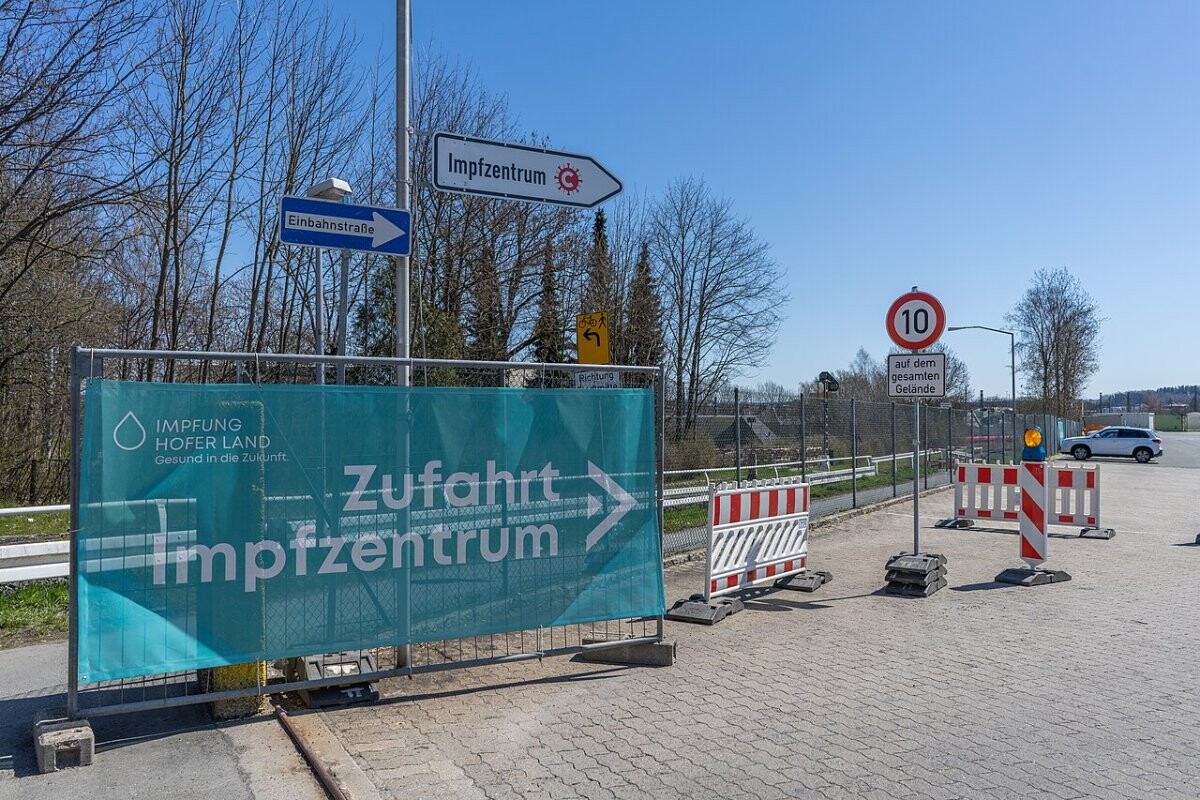
Trend summary
- Since COVID-19 restrictions ended in 2023, Germany has seen familiar infections come back strongly, while respiratory winters have settled into a heavy but more predictable pattern.
- In winter 2025/26 hospitals treated about 429,000 cases of severe acute respiratory infection, and around 22,700 of those patients died, according to the Robert Koch Institute’s first combined season report (estimates for all of Germany).
- Whooping cough reached 22,379 notified cases by 19 November 2024, already the highest yearly count since nationwide reporting began in 2013.
- Germany lost its “interrupted transmission” status for measles after 645 cases in 2024, and the official map now lists 185 districts as risk areas for tick-borne encephalitis.
What the numbers show
Germany’s main source is the Robert Koch Institute (RKI), the federal public health institute, which collects reports of notifiable diseases from local health offices under the Infection Protection Act (Infektionsschutzgesetz) and publishes them in its weekly Epidemiologisches Bulletin (in German). In October 2026 it released its first season report on acute respiratory illness (in German). It estimates about 180 million respiratory illnesses in winter 2025/26, 37 million doctor visits, about 429,000 hospital cases of severe acute respiratory infection (SARI) and around 22,700 deaths among those patients. The flu wave ran for 15 weeks, from week 48 of 2025 to week 10 of 2026, starting two to three weeks earlier than in the two previous seasons. The RKI rated the season moderate overall and similar to the rest of Europe.
Several other infections have risen since the pandemic years. Whooping cough (pertussis) had been unusually low from 2020 to 2023; in 2024 the RKI counted 22,379 cases by 19 November (in German), about twice the weekly rate of 2015–2019, with babies under one year hit hardest. The RKI estimates that 2,300 people acquired HIV in 2024 (in German), about 200 more than in 2023. Tuberculosis is moving the other way: 4,070 cases were reported in 2025 (provisional, in German), down about 8% from 4,408 in 2024, though the RKI says the fall needs to be well over 10% a year to meet the 2050 elimination target.
What is driving it
The rebound partly reflects immunity gaps left by the lockdown years, when few people caught or passed on common bacteria and viruses, and partly low vaccine uptake. The RKI found that only about 10% of children and teenagers with chronic conditions had a flu vaccination in recent seasons, leaving 1.1 million of an estimated 1.2 million unprotected (in German). For measles, the RKI reported in May 2026 that Germany had been moved back to “re-established endemic transmission” (in German) after the 645 cases of 2024. The country must now show three years of interrupted spread again, starting with 2025, despite the measles vaccination requirement for children in nurseries and schools that took effect in 2020.
Climate and travel are adding new risks. Tick-borne encephalitis (FSME in German) is concentrated in Bavaria, Baden-Württemberg and parts of Hesse, Thuringia, Saxony, Brandenburg and Saxony-Anhalt, and two more districts were added in 2026, bringing the total to 185 risk areas (in German). West Nile virus, spread by native Culex mosquitoes, has caused between 4 and 35 locally acquired human infections every year since 2019. Food-borne outbreaks still happen: an EHEC outbreak of serotype O45:H2 that began in August 2025 had 183 confirmed cases by 22 October 2025 (in German), mostly children under 10, including 48 with the kidney complication HUS. It was far smaller than the 2011 EHEC O104:H4 outbreak.
Recent cases
- 1 October 2026: the RKI publishes its first combined season report on acute respiratory illness, estimating about 429,000 SARI hospital cases and around 22,700 deaths among those patients in winter 2025/26 (RKI, in German).
- 17 September 2026: ahead of the flu season, the RKI and the Standing Committee on Vaccination (STIKO) warn that nine in ten children and teenagers with chronic conditions are not vaccinated against flu (RKI, in German).
- 4 September 2026: the Friedrich-Loeffler-Institut, the federal animal health institute, reports only moderate West Nile virus activity in Germany this year, with two locally acquired human cases confirmed by the RKI, one in Rhineland-Palatinate and one in Berlin (FLI).
Press releases and official reports, 2023–2026
Five key releases a year for the last four years, newest first. Most come from German federal and state government agencies, regulators, accident investigators and national statistics; a few news reports are included where they are the clearest public record of an event. Many official releases are published only in German; for those we give an English translation of the title and mark the link (in German). Releases from 2007–2022 are in the expandable list after 2023.
2026
- 1 Oct 2026Robert Koch InstituteSeason report on acute respiratory illnesses (in German)
- 17 Sep 2026Robert Koch InstituteFlu vaccination rates too low among children and adolescents with underlying conditions in Germany (in German)
- 4 Sep 2026Friedrich-Loeffler-InstitutThe West Nile virus has shown only moderate activity so far this year
- 13 May 2026Robert Koch InstituteEpidemiological Bulletin 20/2026: Measles elimination in Germany: almost achieved, and set back again? (in German)
- 26 Feb 2026Robert Koch InstituteNew map of tick-borne encephalitis (TBE) risk areas (in German)
2025
- 20 Nov 2025Robert Koch InstituteWorld AIDS Day: new data on HIV/AIDS in Germany (in German)
- 13 Nov 2025Robert Koch InstituteEpidemiological Bulletin 46/2025: Wild poliovirus type 1 detected in a wastewater sample in Hamburg (in German)
- 23 Oct 2025Robert Koch InstituteEpidemiological Bulletin 43/2025: Update on the EHEC/HUS outbreak centred on northern and western Germany, 2025 (in German)
- 9 Oct 2025Robert Koch InstituteEpidemiological Bulletin 41/2025: Review of the 2024/25 season for COVID-19, influenza and RSV based on notification data (in German)
- 6 Mar 2025Robert Koch InstituteEpidemiological Bulletin 10/2025: The measles vaccination requirement: a success story? (in German)
2024
- 28 Nov 2024Robert Koch InstituteEpidemiological Bulletin 48/2024: Whooping cough: the current epidemiology in Germany (in German)
- 24 Oct 2024Robert Koch InstituteEpidemiological Bulletin 43/2024: First detection of an mpox clade Ib infection in Germany (in German)
- 26 Sep 2024Robert Koch InstituteEpidemiological Bulletin 39/2024: Outbreaks of COVID-19, influenza and RSV infections: a look back at the 2023/24 season (in German)
- 16 May 2024Robert Koch InstituteEpidemiological Bulletin 20-21/2024: Sharp rise in dengue fever notifications in the first months of 2024 (in German)
- 11 Apr 2024Robert Koch InstituteEpidemiological Bulletin 15/2024: Epidemiology of measles in Germany and assessment of the situation (in German)
2023
- 23 Nov 2023Robert Koch InstituteEpidemiological Bulletin 47/2023: Towards the end of AIDS? The HIV epidemic in Germany (in German)
- 26 Oct 2023Robert Koch InstituteEpidemiological Bulletin 43/2023: Set-up, structure and results of voluntary mpox vaccination monitoring in Germany (in German)
- 9 Oct 2023Robert Koch InstituteSeason of acute respiratory illnesses begins: Federal Health Minister and RKI leadership call for vaccination (in German)
- 2 Mar 2023Robert Koch InstituteEpidemiological Bulletin 9/2023: TBE risk areas in Germany (as of January 2023) (in German)
- 14 Feb 2023Federal Ministry of HealthThanks to successful coronavirus policy, testing and mask requirements end early on 1 March (in German)
View 20 years of major German infectious disease press releases (2007–2026)80 more from 2007–2022, up to five a year, newest first
2022
- 24 Nov 2022Robert Koch InstituteEpidemiological Bulletin 47/2022: Estimated number of new HIV infections in 2021 and of people living with HIV in Germany at the end of 2021 (in German)
- 15 Sep 2022Robert Koch InstituteEpidemiological Bulletin 37/2022: Short incubation periods among monkeypox cases in Germany during the current outbreak (in German)
- 29 Aug 2022Federal Ministry of HealthGermany receives further vaccine doses to fight monkeypox (in German)
- 25 Aug 2022Robert Koch InstituteEpidemiological Bulletin 34/2022: Update on measles in Germany and worldwide (in German)
- 24 Aug 2022Federal Ministry of HealthPandemic preparedness for autumn and winter: Cabinet adopts new Infection Protection Act (in German)
2021
- 9 Dec 2021Robert Koch InstituteEpidemiological Bulletin 49/2021: The fourth COVID-19 wave was triggered by missing vaccine protection: what needs to be done? (in German)
- 2 Sep 2021Robert Koch InstituteEpidemiological Bulletin 35/2021: COVID-19 vaccination in Germany is highly effective against SARS-CoV-2 infection, disease burden and death (in German)
- 15 Apr 2021Robert Koch InstituteEpidemiological Bulletin 15/2021: Status of measles and rubella elimination in Germany: first encouraging results (in German)
- 4 Mar 2021Robert Koch InstituteEpidemiological Bulletin 9/2021: TBE risk areas in Germany (as of January 2021) (in German)
- 18 Feb 2021Robert Koch InstituteEpidemiological Bulletin 7/2021: Effects of the COVID-19 pandemic and related public health measures on other notifiable infectious diseases (in German)
2020
- 17 Sep 2020Robert Koch InstituteEpidemiological Bulletin 38/2020: Settings of recorded COVID-19 outbreaks in Germany (in German)
- 18 Jun 2020Robert Koch InstituteEpidemiological Bulletin 25/2020: Locally acquired West Nile virus infections in Germany, 2018 and 2019 (in German)
- 5 Mar 2020Robert Koch InstituteEpidemiological Bulletin 10/2020: Measles Protection Act and strengthening of vaccine prevention (in German)
- 28 Feb 2020Federal Ministry of HealthFederal Interior and Health Ministries crisis team agrees health security measures against coronavirus infections (in German)
- 13 Feb 2020Robert Koch InstituteEpidemiological Bulletin 7/2020: The outbreak of the novel coronavirus SARS-CoV-2 in Germany so far (as of 12 February) (in German)
2019
- 14 Nov 2019Federal Ministry of HealthBundestag passes Measles Protection Act (in German)
- 14 Nov 2019Robert Koch InstituteEpidemiological Bulletin 46/2019: Estimated number of new HIV infections and of people living with HIV in Germany, end of 2018 (in German)
- 2 Oct 2019Robert Koch InstituteEpidemiological Bulletin 40/2019: First mosquito-borne case of West Nile virus infection acquired in Germany (in German)
- 16 May 2019Robert Koch InstituteEpidemiological Bulletin 20/2019: Cutaneous diphtheria spread within a family: first diphtheria outbreak in Germany in almost 40 years (in German)
- 14 Feb 2019Robert Koch InstituteEpidemiological Bulletin 7/2019: TBE risk areas in Germany (as of January 2019) (in German)
2018
- 22 Nov 2018Federal Ministry of HealthFall in new HIV infections (in German)
- 8 Nov 2018Federal Ministry of HealthFederal Health Minister Jens Spahn: we must stop the Ebola outbreak in the Democratic Republic of Congo, Germany pledges further help (in German)
- 16 Aug 2018Robert Koch InstituteEpidemiological Bulletin 33/2018: Current epidemiology of measles in Germany (data as of 30 June 2018) (in German)
- 26 Apr 2018Robert Koch InstituteEpidemiological Bulletin 17/2018: TBE risk areas in Germany (as of April 2018) (in German)
- 12 Apr 2018Robert Koch InstituteEpidemiological Bulletin 15/2018: Hantavirus infections in Germany: a look back at the 2017 outbreak year (in German)
2017
- 23 Nov 2017Robert Koch InstituteEpidemiological Bulletin 47/2017: Estimated number of new HIV infections and of people living with HIV in Germany (in German)
- 1 Jun 2017Federal Ministry of HealthFederal Health Minister Gröhe: better protection against communicable diseases and minimum nurse staffing in hospitals (in German)
- 27 Apr 2017Robert Koch InstituteEpidemiological Bulletin 17/2017: TBE risk areas in Germany (as of April 2017) (in German)
- 20 Apr 2017Federal Ministry of HealthEuropean Immunisation Week 2017: vaccines work (in German)
- 16 Feb 2017Robert Koch InstituteEpidemiological Bulletin 7/2017: Sharp rise in norovirus infections in the 2016/2017 winter season and detection of a new norovirus variant (in German)
2016
- 14 Nov 2016Robert Koch InstituteEpidemiological Bulletin 45/2016: Estimated number of new HIV infections and of people living with HIV in Germany (in German)
- 8 Aug 2016Robert Koch InstituteEpidemiological Bulletin 31/2016: Measles among Chechen asylum seekers, January to July 2016, and probable sexual transmission of Zika virus (in German)
- 9 May 2016Robert Koch InstituteEpidemiological Bulletin 18/2016: TBE risk areas in Germany (as of May 2016) (in German)
- 6 Apr 2016Federal Ministry of HealthCabinet adopts strategy to curb HIV, hepatitis B and C and other sexually transmitted infections (in German)
- 4 Apr 2016Robert Koch InstituteEpidemiological Bulletin 13/2016: National Pandemic Plan: scientific section published (in German)
2015
- 23 Nov 2015Robert Koch InstituteEpidemiological Bulletin 47/48 2015: The Berlin measles outbreak of 2014/2015 (in German)
- 9 Nov 2015Robert Koch InstituteEpidemiological Bulletin 45/2015: HIV infections and AIDS: estimated prevalence and incidence for 2014 (in German)
- 26 May 2015Robert Koch InstituteEpidemiological Bulletin 21/2015: TBE risk areas in Germany (as of May 2015) (in German)
- 10 Apr 2015Federal Ministry of HealthGermany stands by West Africa in overcoming the Ebola crisis (in German)
- 9 Mar 2015Robert Koch InstituteEpidemiological Bulletin 10/2015: The epidemiology of measles in Germany in 2014 and 2015 (in German)
2014
- 8 Dec 2014Robert Koch InstituteEpidemiological Bulletin 49/2014: Ebola fever: organising an evacuation flight from Sierra Leone to Hamburg (in German)
- 10 Nov 2014Robert Koch InstituteEpidemiological Bulletin 45/2014: Ebola fever: the situation in Germany (in German)
- 26 Sep 2014Federal Ministry of HealthJoining forces to fight the Ebola epidemic in West Africa (in German)
- 14 Apr 2014Robert Koch InstituteEpidemiological Bulletin 15/2014: TBE risk areas in Germany (as of April 2014) (in German)
- 6 Jan 2014Robert Koch InstituteEpidemiological Bulletin 1/2014: Whooping cough case numbers in the eastern federal states, 2002 to 2012 (in German)
2013
- 2 Dec 2013Robert Koch InstituteEpidemiological Bulletin 48/2013: Measles: the situation in Germany in 2013 (in German)
- 11 Nov 2013Robert Koch InstituteEpidemiological Bulletin 45/2013: HIV infections and AIDS: estimated incidence and prevalence for 2012 (in German)
- 4 Nov 2013Federal Ministry of HealthFlu protection: getting vaccinated protects you and others (in German)
- 5 Aug 2013Robert Koch InstituteEpidemiological Bulletin 31/2013: MERS coronavirus: investigation of contacts of a case imported into Germany (in German)
- 6 May 2013Robert Koch InstituteEpidemiological Bulletin 18/2013: TBE risk areas in Germany (as of May 2013) (in German)
2012
- 26 Nov 2012Robert Koch InstituteEpidemiological Bulletin 47/2012: World AIDS Day, and STIKO statement on the flu vaccine shortage (in German)
- 8 Oct 2012Robert Koch InstituteEpidemiological Bulletin 40/2012: A large foodborne gastroenteritis outbreak, and the first year of GrippeWeb (in German)
- 10 Sep 2012Robert Koch InstituteEpidemiological Bulletin 36/2012: EHEC O104:H4 surveillance results after the end of the 2011 outbreak (in German)
- 29 May 2012Robert Koch InstituteEpidemiological Bulletin 21/2012: TBE in Germany and the current map of risk areas (in German)
- 12 Mar 2012Robert Koch InstituteEpidemiological Bulletin 10/2012: Hantavirus disease: nationwide rise in case numbers in 2012 (in German)
2011
- 25 Nov 2011Robert Koch InstituteEpidemiological Bulletin 46/2011: HIV infections and AIDS: estimated prevalence and incidence in Germany (in German)
- 5 Sep 2011Robert Koch InstituteEpidemiological Bulletin 35/2011: EHEC/HUS: bacteriological investigations during the E. coli O104:H4 outbreak (in German)
- 8 Aug 2011Robert Koch InstituteEpidemiological Bulletin 31/2011: EHEC/HUS: the outbreak of May and June 2011 in Germany (in German)
- 6 Jun 2011Robert Koch InstituteEpidemiological Bulletin 22/2011: EHEC/HUS: development of case numbers in the current outbreak (in German)
- 2 May 2011Robert Koch InstituteEpidemiological Bulletin 17/2011: Tick-borne encephalitis (TBE): the situation in Germany (in German)
2010
- 15 Nov 2010Robert Koch InstituteEpidemiological Bulletin 45/2010: Pandemic influenza A(H1N1) 2009: non-pharmaceutical measures in households (in German)
- 14 Jun 2010Robert Koch InstituteEpidemiological Bulletin 23/2010: Measles outbreak at a Waldorf school in Essen and in a hospital (in German)
- 31 May 2010Robert Koch InstituteEpidemiological Bulletin 21/2010: Pandemic influenza (H1N1) 2009: epidemiology and infection control over time (in German)
- 3 May 2010Robert Koch InstituteEpidemiological Bulletin 17/2010: Tick-borne encephalitis (TBE): the situation in Germany and map of risk areas (in German)
- 1 Feb 2010Robert Koch InstituteEpidemiological Bulletin 4/2010: Pandemic influenza A/H1N1 hospital surveillance (in German)
2009
- 19 Oct 2009Robert Koch InstituteEpidemiological Bulletin 42/2009: Influenza surveillance by the Influenza Working Group (AGI) (in German)
- 12 Oct 2009Robert Koch InstituteEpidemiological Bulletin 41/2009: STIKO recommendation on vaccination against the new influenza A(H1N1) (in German)
- 22 Jun 2009Robert Koch InstituteEpidemiological Bulletin 25/2009: New influenza A/H1N1 in Germany: assessment of events so far (in German)
- 1 Jun 2009Robert Koch InstituteEpidemiological Bulletin 22/2009: New influenza A/H1N1: possible course of an epidemic (in German)
- 4 May 2009Robert Koch InstituteEpidemiological Bulletin 18/2009: Tick-borne encephalitis (TBE): the situation in Germany (in German)
2008
- 21 Nov 2008Robert Koch InstituteEpidemiological Bulletin 47/2008: HIV/AIDS: course of the HIV epidemic in Germany to the end of 2008 (in German)
- 24 Oct 2008Robert Koch InstituteEpidemiological Bulletin 43/2008: A look back at the 2007/08 influenza season (in German)
- 20 Jun 2008Robert Koch InstituteEpidemiological Bulletin 25/2008: Q fever: increased occurrence in spring 2008 (in German)
- 9 May 2008Robert Koch InstituteEpidemiological Bulletin 19/2008: Hantavirus infections: the rise in case numbers in Germany in 2007 (in German)
- 25 Apr 2008Robert Koch InstituteEpidemiological Bulletin 17/2008: Tick-borne encephalitis (TBE): the situation in Germany (in German)
2007
- 23 Nov 2007Robert Koch InstituteEpidemiological Bulletin 47/2007: HIV/AIDS: course of the HIV epidemic in Germany to the end of 2007 (in German)
- 16 Nov 2007Robert Koch InstituteEpidemiological Bulletin 46/2007: Norovirus infections: the current spread in Germany (in German)
- 26 Oct 2007Robert Koch InstituteEpidemiological Bulletin 43/2007: A look back at the 2006/07 influenza season (in German)
- 14 Sep 2007Robert Koch InstituteEpidemiological Bulletin 37/2007: Measles: the situation in Germany and an outbreak in Lower Bavaria (in German)
- 13 Apr 2007Robert Koch InstituteEpidemiological Bulletin 15/2007: Tick-borne encephalitis (TBE): the situation in Germany and current map of risk areas (in German)
Photo list

How this page is built. Figures come from the official statistical releases linked above; where agencies publish provisional numbers we say so, because they are revised. German statistics are often published separately by each federal state (Land) and some only in German, so we say which area and period each figure covers and translate titles. Photos are public-domain or Creative Commons images credited in each caption; file photos are illustrative and are not from the events described unless the caption says so. This page tracks trends and is not personal safety, medical, legal or financial advice.