
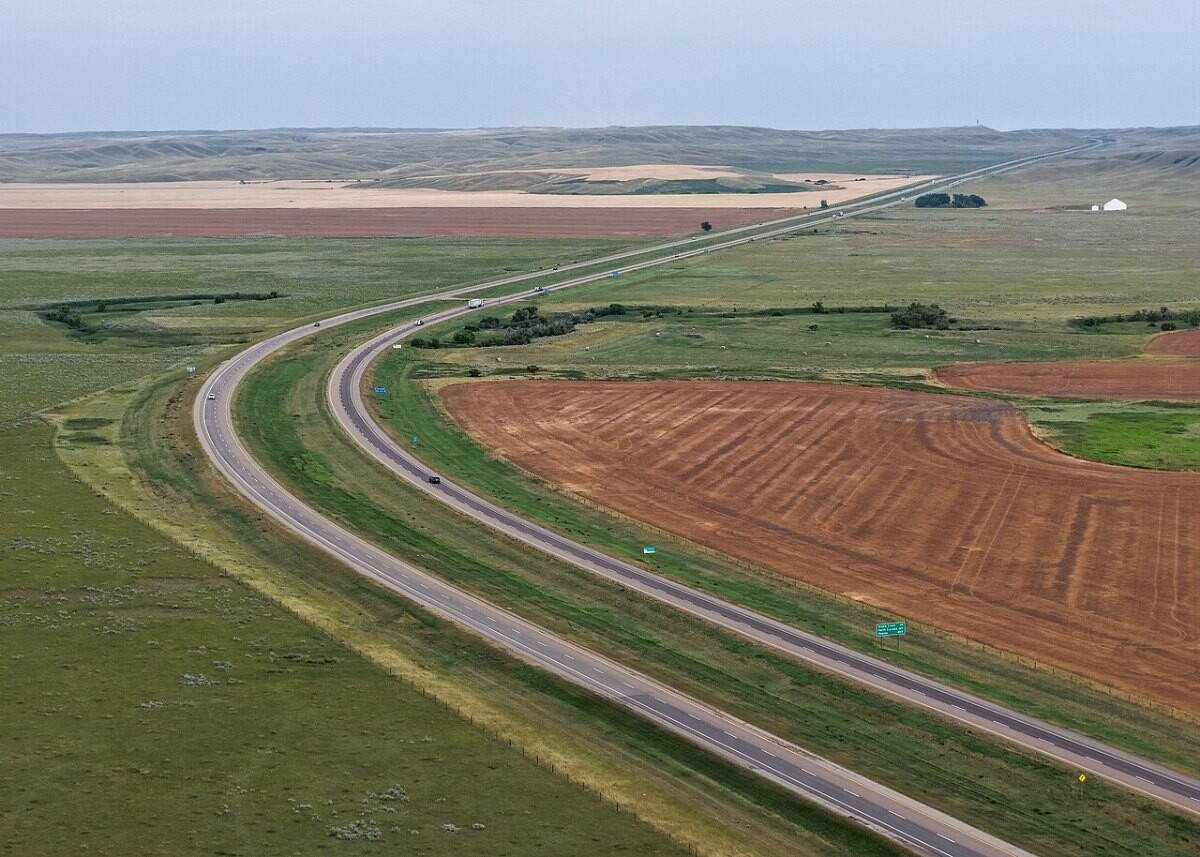
Trend summary
- Canada’s roads are much safer than they were 20 years ago, but the progress has gone into reverse since the pandemic.
- Transport Canada counted 2,050 road deaths in 2024, up 2.5% and the highest in 12 years. Serious injuries rose to 9,357.
- 335 pedestrians were killed, 16.3% of all deaths, and motorcyclists made up another 13.7%.
- Drugs were involved in 41% of road deaths in 2023, more than alcohol, according to the Traffic Injury Research Foundation.
What the numbers show
Transport Canada’s 2024 collision statistics, published on 15 October 2026, count 2,050 deaths, 9,357 serious injuries and 130,551 injuries in all. Deaths fell to a low of 1,716 in 2020 and have climbed every year since; they are 10.7% above 2014 but 29% below 2005. The rate was 4.9 deaths per 100,000 people. The 2024 edition revised earlier years upward, so older published totals are not directly comparable.
Provinces publish faster. Quebec’s SAAQ reports 371 road deaths in 2025 (provisional), with pedestrian deaths 13.6% above the five-year average. Ontario’s preliminary 2024 report counts 617 people killed, including 107 pedestrians, and the BC Coroners Service recorded 331 deaths in 2023, the highest in at least a decade.
What is driving it
The Traffic Injury Research Foundation found drugs involved in 41.2% of road deaths in 2023, up from 35% in 2019, while alcohol was involved in 29.3%. Speed is rising too: 513 deaths in 2023 involved a speeding driver, 30.7% of the total, while distraction-related deaths fell to a 24-year low (TIRF). In Ontario, emergency visits for cannabis-involved traffic injuries rose 475% between 2010 and 2021 (Myran et al., JAMA Network Open, 2023, via the University of Ottawa).
Recent cases
- 15 October 2026: Transport Canada publishes the 2024 statistics: 2,050 deaths, the most in 12 years (Transport Canada).
- 6 February 2026: Ontario’s preliminary 2024 road safety report counts 617 deaths (Ontario MTO).
- 9 July 2025: Manitoba drops its planned redesign of the Highway 1 and 5 intersection near Carberry, where 17 people died when a bus carrying seniors collided with a semi-trailer in June 2023 (Global News).
Press releases and official reports, 2023–2026
Five key releases a year for the last four years, newest first. Most come from federal departments and agencies, the Transportation Safety Board, Statistics Canada and provincial governments; a few news and trade reports are included where they are the clearest public record of an event. Releases from 2007–2022 are in the expandable list after 2023.
2026
- 15 Oct 2026Transport CanadaCanadian Motor Vehicle Traffic Collision Statistics: 2024
- 24 Sep 2026Transport CanadaGovernment of Canada invests in keeping Canadians safe near railway crossings
- 22 Apr 2026Transport CanadaCanada and United States of America to co-host global vehicle safety conference in Toronto
- 6 Feb 2026Ontario MTOPreliminary 2024 Ontario road safety annual report selected statistics
- 2026SAAQBilan routier 2025
2025
- 15 Sep 2025Transport CanadaLaunch of Rail Safety Week 2025 in Canada
- 9 Jul 2025Global NewsManitoba to rework plan to change intersection where deadly bus crash occurred
- 15 May 2025Transport CanadaCanadian Motor Vehicle Traffic Collision Statistics: 2023
- 10 Feb 2025Transport CanadaTransport Canada makes vehicle safety recall information more accessible to Canadians
- 3 Feb 2025Transport CanadaTransport Canada strengthens safety by adding new cameras to school buses
2024
- 11 Dec 2024Statistics CanadaDriving home impaired driving data for the holiday season
- 9 Dec 2024Transport CanadaGovernment of Canada invests in building safer communities
- 20 Nov 2024Transport CanadaMinister of Transport issues statement on the Canadian National Day of Remembrance for Road Crash Victims
- 11 Jul 2024BC Coroners ServiceMotor Vehicle Incident Deaths, 2013-2023
- 2 May 2024Transport CanadaCanadian Motor Vehicle Traffic Collision Statistics: 2022
2023
- 16 Nov 2023Transport CanadaCommercial vehicle collisions in Canada, 2012-2021
- 10 Jul 2023Transport CanadaGovernment of Canada announces new measures to improve commercial vehicle safety
- 15 Jun 2023Global NewsManitoba crash: 15 dead in ‘tragic’ highway collision near Carberry
- 31 May 2023Transport CanadaRoad Safety in Canada
- 13 Apr 2023Transport CanadaCanadian Motor Vehicle Traffic Collision Statistics: 2021
View 20 years of major Canadian road safety press releases (2007–2026)80 more from 2007–2022, five a year, newest first
2022
- 23 Dec 2022Transport CanadaRoad Safety in Canada 2020
- 22 Dec 2022Transport CanadaMinister of Transport announces new sound requirements for hybrid and electric vehicles
- 6 Jul 2022Transport CanadaMinister of Transport proposes changes to school buses to boost safety
- 15 Jun 2022Transport CanadaMinister of Transport Canada announces new regulations to fine companies or individuals who violate the Motor Vehicle Safety Act
- 1 Feb 2022Transport CanadaCanadian Motor Vehicle Traffic Collision Statistics: 2020
2021
- 29 Nov 2021Transport CanadaGovernment of Canada announces new amendments that will improve safety at grade crossings
- 13 Aug 2021Transport CanadaGovernment of Canada announces funding for 29 new road safety projects
- 15 Jul 2021Statistics CanadaImpaired driving in Canada, 2019
- 11 Jun 2021Transport CanadaCanadian Motor Vehicle Traffic Collision Statistics: 2019
- 23 Apr 2021Transport CanadaMinister of Transport proposes noise requirements for hybrid and electric vehicles to protect vulnerable road users
2020
- 26 Oct 2020Transport CanadaGovernment of Canada marks important milestone to bring electronic logging devices into commercial vehicles
- 21 Oct 2020Transport CanadaGovernment of Canada investing in new projects that improve road safety for Canadians
- 10 Sep 2020Transport CanadaGovernment of Canada and Government of British Columbia begin school bus seatbelt pilot tests
- 14 Feb 2020Transport CanadaGovernment of Canada launches school bus seatbelt pilots in the District of Sudbury, Ontario and British Columbia
- 7 Jan 2020TSBInvestigation report: August 2019 crossing collision
2019
- 6 Sep 2019Transport CanadaTransport Canada invests in road safety
- 6 Sep 2019Transport CanadaGovernment of Canada invests in efficiency and safety of commercial vehicle inspections on Highway 16
- 19 Aug 2019Transport CanadaTransport Canada invests in innovative solutions for cyclist and pedestrian safety
- 10 Jul 2019Transport CanadaGovernment of Canada requires manufacturers to provide Canadians with more information on vehicle defects
- 13 Jun 2019Transport CanadaThe Government of Canada is improving safety in the commercial driving industry
2018
- 12 Dec 2018CTV NewsFirm says trees obstructing vision at Humboldt Broncos crash intersection
- 7 Apr 2018Prime Minister of CanadaStatement by the Prime Minister on the tragic bus crash in Saskatchewan
- 6 Apr 2018Global News‘Heartbroken and completely devastated’: 15 dead in Humboldt Broncos bus crash
- 23 Feb 2018TSBA combination of factors played a role in 2017 crossing collision between a school bus and a train near Colborne, Ontario
- 2018SAAQBILAN 2017 DOSSIER STATISTIQUE Accidents, Parc automobile, Permis de conduire
2017
- 28 Nov 2017Government of SaskatchewanSaskatchewan Taking Zero Tolerance Stance Against Drug-Impaired Drivers
- 2 Nov 2017Government of SaskatchewanTougher Consequences for Impaired Drivers Who Transport Children
- Jul 2017SAAQBILAN 2016 ACCIDENTS, PARC AUTOMOBILE, PERMIS DE CONDUIRE
- 11 May 2017Government of SaskatchewanSGI's New Impaired Driving Prevention Campaign Shows Real Life Impact of Impaired Driving
- 3 Feb 2017Government of Saskatchewan17 More Automated License Plate Readers Installed in Police Vehicles
2016
- 28 Dec 2016Government of SaskatchewanNew Impaired Driving Laws Take Effect January 1
- 14 Dec 2016Statistics CanadaImpaired driving in Canada, 2015
- 31 Oct 2016Government of SaskatchewanGovernment Taking Action to Combat Impaired Driving
- Jul 2016SAAQLe Bilan 2015 : accidents, parc automobile et permis de conduire
- Jan 2016CCMTATowards Zero: The Safest Roads in the World
2015
- 2 Dec 2015TSBTSB issues five recommendations following investigation into September 2013 collision between an OC Transpo bus and a VIA Rail train
- 14 Oct 2015Government of SaskatchewanFewer Injuries and Fatalities on Saskatchewan Roads
- 24 Jul 2015Government of SaskatchewanHas That Car Been in a Crash?
- 30 Jun 2015Government of SaskatchewanSee Orange? Slow Down!
- 22 Jun 2015Government of SaskatchewanMandatory Server Intervention Training to be Phased In
2014
- 14 Nov 2014Government of SaskatchewanSpeed Reduction Extended on Highway 12 at Martensville
- Aug 2014CCMTACCMTA National Public Opinion Survey on Road Safety: Report on Key Findings
- 3 Jun 2014Government of SaskatchewanSpeed Reductions Set for Two High Collision Highways
- 2 Jun 2014Government of Saskatchewan60 Officers Dedicated to Traffic Safety Enforcement
- 15 Apr 2014Government of SaskatchewanSGI Reminds Saskatchewan Residents Traffic Safety Laws Are Changing
2013
- 28 Nov 2013Government of SaskatchewanGOVERNMENT INTRODUCES LEGISLATION IN SUPPORT OF TRAFFIC SAFETY ACTION PLAN
- 3 Oct 2013CCMTACCMTA Public Opinion Survey of Drugs and Driving in Canada
- 18 Sep 2013TSBTSB launches investigation into bus-train collision in Ottawa, Ontario
- Aug 2013CCMTACountermeasures to Improve Pedestrian Safety in Canada
- 10 Jan 2013Statistics CanadaImpaired driving in Canada, 2011
2012
- 31 Oct 2012Government of SaskatchewanINCREASED PENALTIES ANNOUNCED FOR DRIVERS SPEEDING IN THE ORANGE ZONE
- 3 Oct 2012Government of SaskatchewanBE ON GUARD FOR THE ORANGE ZONE AS THANKSGIVING APPROACHES
- 10 Jul 2012Government of SaskatchewanPILOT PROJECT SUPPORTS MOTHERS AGAINST DRINKING AND DRIVING
- 25 May 2012CCMTADrugs and Driving Framework
- 17 Apr 2012Government of SaskatchewanCHALLENGING YEAR FOR SGI CANADA AND THE SASKATCHEWAN AUTO FUND
2011
- 22 Nov 2011Government of SaskatchewanSTAY BACK AND STAY SAFE THIS WINTER
- 16 Nov 2011Government of SaskatchewanRID EXPANDS PROVINCE-WIDE
- 21 Jun 2011Government of SaskatchewanSGI’S “THE DECISION” WINS PRESTIGIOUS AWARDS
- 26 May 2011Government of SaskatchewanSGI IMPLEMENTING GRADUATED DRIVER’S LICENSING FOR MOTORCYCLISTS
- 25 Mar 2011Government of SaskatchewanRID EXPANDS TO PRINCE ALBERT
2010
- 17 Nov 2010Government of SaskatchewanPROGRAM ‘RIDS’ SASKATOON STREETS OF 100 IMPAIRED DRIVERS
- 8 Sep 2010Government of SaskatchewanREGINA TO “RID” THE STREETS OF IMPAIRED DRIVERS
- 20 May 2010Government of SaskatchewanTAKE CARE OUT THERE OVER THE LONG WEEKEND
- 7 May 2010Government of SaskatchewanMOTORCYCLE SAFETY WEEK IN SASKATCHEWAN
- 8 Mar 2010Government of SaskatchewanPROVINCE DECLARES IMPAIRED DRIVING AWARENESS WEEK
2009
- 30 Dec 2009Government of SaskatchewanHAND-HELD CELLPHONES PROHIBITED ON SASKATCHEWAN ROADWAYS STARTING JAN. 1
- 25 Nov 2009Government of SaskatchewanGOVERNMENT PASSES CELLPHONE LEGISLATION
- 12 Nov 2009Government of SaskatchewanTEXTING AND HAND-HELD CELLPHONE USE WHILE DRIVING TO BE BANNED
- 19 May 2009Government of SaskatchewanGRADUATED DRIVER’S LICENSING FOR NEW MOTORCYCLE DRIVERS
- 27 Feb 2009Government of SaskatchewanSGI SENDS MESSAGE TO HIGH-RISK DRIVERS
2008
- 17 Dec 2008Government of SaskatchewanNEW TRAFFIC OFFICER TRAINING PROGRAM PRODUCES FIRST CROP OF GRADS
- 18 Nov 2008Government of SaskatchewanNATIONAL DAY OF REMEMBRANCE FOR ROAD CRASH VICTIMS
- 22 Sep 2008Government of SaskatchewanTRUCKERS CAN 'PIT' STOP FOR BRAKE SAFETY WEEK
- 16 Jul 2008Statistics CanadaMotor vehicle accident deaths, 1979 to 2004
- 28 Feb 2008Government of SaskatchewanMINISTER OF JUSTICE CONGRATULATES FEDERAL GOVERNMENT ON PASSAGE OF BILL C-2
2007
- 12 Dec 2007Government of SaskatchewanREPEAT DRUNK DRIVERS TO HAVE VEHICLES FORFEITED
- 29 Aug 2007Government of SaskatchewanSASKTEL AND SGI PROMOTE SAFE CELL PHONE HABITS TO NEW DRIVERS
- 13 Jul 2007Government of SaskatchewanIMPROVED ACCESS, SAFETY ON HIGHWAY 56 TOURISM CORRIDOR
- 16 May 2007Government of SaskatchewanSGI PROVIDES FUNDING TO REGINA QU'APPELLE HEALTH REGION SLEEP DISORDERS PROGRAM
- 4 May 2007Government of SaskatchewanPROVINCE PROCLAIMS MOTORCYCLE SAFETY WEEK
Photo list
How this page is built. Figures come from the official statistical releases linked above; where agencies publish provisional numbers we say so, because they are revised. Canadian statistics are often collected by provinces and territories, and some national series run several years behind, so we say which area and year each figure covers. Photos are public-domain or Creative Commons images credited in each caption; file photos are illustrative and are not from the events described unless the caption says so. This page tracks trends and is not personal safety, medical, legal or financial advice.